Maintaining a clean home is not just about aesthetics; it plays a crucial role in promoting overall health and well-being. Regular house cleaning can significantly reduce allergens, dust, and harmful bacteria that accumulate in our living spaces. This is particularly important for individuals with respiratory issues, allergies, or weakened immune systems. By investing time in cleaning, you are actively creating a healthier environment that can lead to fewer illnesses and improved quality of life.Moreover, the act of cleaning itself can have profound mental health benefits.
Engaging in regular cleaning routines can provide a sense of accomplishment and control over your environment. This is especially relevant in today’s fast-paced world, where stress levels are often high. A tidy space can foster a sense of calm and clarity, allowing you to focus better on daily tasks and responsibilities. The psychological impact of cleanliness should not be underestimated; it can enhance mood and reduce feelings of anxiety.In addition to physical and mental health benefits, regular cleaning also contributes to the longevity of your home and its furnishings.
Dust and grime can wear down surfaces over time, leading to costly repairs or replacements. By keeping your home clean, you not only protect your investment but also create a welcoming atmosphere for family and guests alike.As we delve deeper into the tools and supplies necessary for effective house cleaning, it’s essential to remember that these items are not merely functional; they are integral to maintaining a healthy living space. Understanding the connection between cleanliness and health will empower you to make informed choices about your cleaning practices.
Essential Cleaning Tools for Every Home
To maintain a clean and healthy home, having the right cleaning tools is essential. These tools not only make the cleaning process more efficient but also ensure that you can tackle various messes effectively.Below is a comprehensive list of must-have cleaning tools that every household should consider.
- Microfiber Cloths: These versatile cloths are excellent for dusting and wiping surfaces without leaving streaks. They are highly absorbent and can be used dry or dampened with water or cleaning solutions.
- All-Purpose Cleaner: A good all-purpose cleaner can tackle a variety of surfaces, from countertops to bathroom tiles. Look for eco-friendly options that are safe for your family and pets.
- Broom and Dustpan: A classic duo, a broom and dustpan are essential for quick clean-ups of dirt and debris on hard floors. Choose a broom with fine bristles for effective sweeping.
- Mop: For deeper cleaning of hard floors, a mop is indispensable.
Consider a microfiber mop that can be used wet or dry, making it suitable for various cleaning tasks.
- Vacuum Cleaner: A vacuum is crucial for homes with carpets or rugs. Opt for one with multiple attachments to clean upholstery, corners, and hard-to-reach areas.
- Sponges: Sponges are great for scrubbing surfaces in kitchens and bathrooms. Look for non-scratch options to protect delicate surfaces while still providing effective cleaning power.
- Rubber Gloves: Protect your hands from harsh chemicals and hot water by using rubber gloves. They also provide a better grip when handling cleaning tools.
- Toilet Brush: A dedicated toilet brush is essential for maintaining hygiene in the bathroom.
Choose one with a sturdy handle and replace it regularly to prevent bacteria buildup.
- Trash Bags: Having a supply of trash bags on hand makes it easy to dispose of waste quickly during your cleaning sessions.
Must-Have Cleaning Supplies for Safe House Cleaning
To maintain a clean and healthy home environment, it is essential to equip yourself with the right cleaning supplies. Not only do these tools help in achieving a spotless space, but they also play a crucial role in ensuring safety and promoting health.Below is a comprehensive list of must-have cleaning supplies that are effective, safe, and eco-friendly.
- Microfiber Cloths: These versatile cloths are excellent for dusting and wiping surfaces without the need for harsh chemicals. They trap dirt and allergens effectively, making them a staple in any cleaning kit.
- All-Purpose Cleaner: Look for eco-friendly options that are free from toxic chemicals. An all-purpose cleaner can tackle various surfaces, from countertops to bathroom tiles, ensuring cleanliness without compromising health.
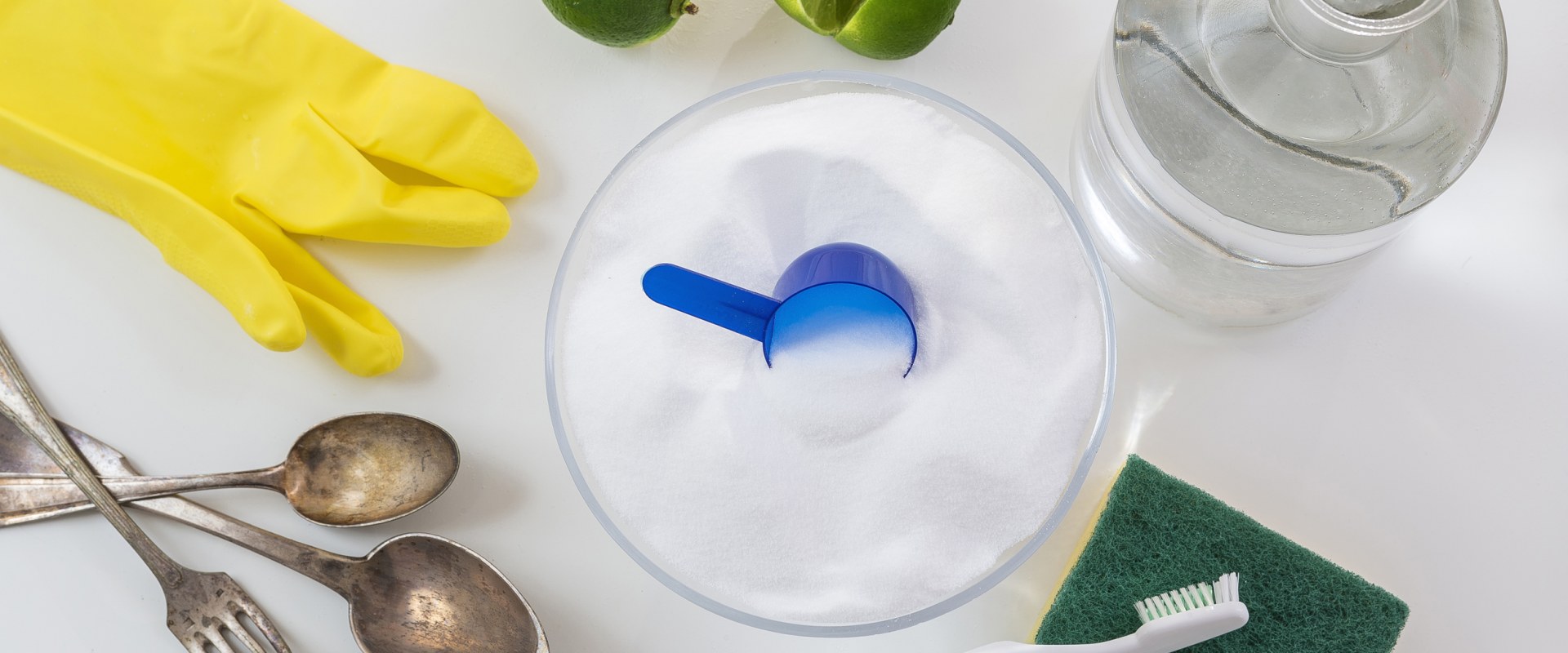
- Baking Soda: This natural abrasive is perfect for scrubbing surfaces and eliminating odors. It can be used in combination with vinegar for a powerful cleaning duo that is safe for both your family and the environment.
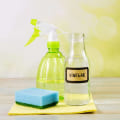
- White Vinegar: A fantastic natural disinfectant, white vinegar can be used to clean glass, remove stains, and even deodorize your home.
Its antibacterial properties make it an excellent choice for safe cleaning.
- Essential Oils: Incorporating essential oils like tea tree or lavender not only adds a pleasant scent but also provides antimicrobial benefits. They can be mixed with other cleaning solutions to enhance their effectiveness.
- Rubber Gloves: Protect your hands from harsh chemicals and allergens by using durable rubber gloves. They allow you to clean effectively while keeping your skin safe from irritation.
- Sponges and Scrub Brushes: Choose non-toxic sponges and brushes that are effective at removing grime without scratching surfaces. Look for biodegradable options to minimize environmental impact.
- Vacuum Cleaner with HEPA Filter: A vacuum equipped with a HEPA filter is essential for trapping dust, pet dander, and other allergens, contributing to better indoor air quality.
Opting for safe and eco-friendly products helps reduce exposure to harmful chemicals, making regular house cleaning beneficial for both your health and the planet.
Organizing Your Cleaning Supplies: Tips for Efficiency
Organizing your cleaning supplies is essential for maintaining an efficient and effective cleaning routine. When your tools and products are easily accessible, you can save time and energy, allowing you to focus on the task at hand rather than searching for what you need. Here are some practical tips to help you organize your cleaning supplies effectively:- Designate a Cleaning Supply Area: Choose a specific location in your home for all cleaning supplies. This could be a cabinet, a shelf in a closet, or even a dedicated cleaning cart.
Having a designated area helps keep everything in one place and makes it easier to find what you need.
- Use Clear Containers: Invest in clear storage bins or containers to store your cleaning products. This allows you to see at a glance what you have, reducing the time spent rummaging through cluttered shelves. Label each container for even greater efficiency.
- Group Similar Items: Organize your supplies by category. For example, keep all bathroom cleaners together, kitchen supplies in another bin, and general-purpose cleaners in yet another.
This method not only streamlines your cleaning process but also ensures that you have everything you need for each area of your home.
- Utilize Vertical Space: If you're short on space, consider using vertical storage solutions such as wall-mounted shelves or pegboards. These can hold spray bottles, cloths, and other tools without taking up valuable floor space.
- Keep Frequently Used Items Accessible: Place the cleaning supplies you use most often at eye level or in the front of your storage area. This way, you won’t have to dig through less frequently used items when you're ready to clean.
- Regularly Declutter Your Supplies: Periodically review your cleaning supplies and dispose of any that are expired or no longer effective. This not only frees up space but also ensures that you're using safe and effective products in your home.
An organized space not only makes cleaning easier but also contributes to the overall health benefits of regular house cleaning by ensuring that you can maintain a clean and safe environment with minimal hassle.
Creating a Cleaning Schedule: Maximizing Health Benefits
Establishing a cleaning schedule is essential for maintaining a healthy living environment. A well-structured routine not only keeps your home looking its best but also maximizes the health benefits of regular house cleaning. Here are some tips to help you create an effective cleaning schedule that prioritizes both cleanliness and health.Assess Your Space
Before diving into a cleaning schedule, take a moment to assess your home. Consider the size of your space, the number of rooms, and the specific cleaning needs of each area.For instance, kitchens and bathrooms often require more frequent attention due to their susceptibility to germs and bacteria.
Frequency of Cleaning Tasks
Different tasks should be scheduled with varying frequencies:- Daily: Tidy up common areas, wash dishes, and wipe down kitchen counters to prevent the buildup of dirt and germs.
- Weekly: Vacuum carpets, mop floors, and clean bathrooms. This frequency helps in reducing allergens and maintaining a hygienic environment.
- Monthly: Dust surfaces, clean windows, and tackle deeper cleaning tasks like scrubbing grout or washing curtains.
- Seasonally: Perform thorough decluttering, deep clean carpets, and check for any maintenance issues that could affect your home's health.
Prioritize High-Traffic Areas
Focus on high-traffic areas where dirt and germs accumulate more quickly. Entryways, living rooms, and kitchens should be prioritized in your schedule. By keeping these areas clean, you can significantly reduce the spread of allergens and pathogens throughout your home.Incorporate Flexibility
Your cleaning schedule should be adaptable.Life can be unpredictable, so allow for adjustments based on your weekly commitments. If you miss a task one week, simply reschedule it for the next. This flexibility ensures that you maintain consistency without feeling overwhelmed.
Utilize Tools and Technology
Consider using digital tools or apps to help manage your cleaning schedule. Many applications allow you to set reminders for specific tasks, making it easier to stay on track.Additionally, using checklists can provide a sense of accomplishment as you mark off completed tasks.By creating a thoughtful cleaning schedule that emphasizes frequency and prioritization, you can enjoy a consistently clean home that promotes better health for you and your family. Regular cleaning not only enhances the aesthetic appeal of your space but also contributes significantly to overall well-being.
Common Mistakes to Avoid in House Cleaning
Cleaning your home can be a straightforward task, but many people unknowingly make mistakes that can hinder their efforts and even compromise their health. Understanding these common pitfalls can help you adopt more effective and safe house cleaning techniques.1.Skipping the Preparation
One of the most frequent mistakes is diving into cleaning without proper preparation. Before you start, gather all necessary tools and supplies.
This includes:
- Microfiber cloths
- Sponges
- All-purpose cleaners
- Vacuum cleaner
- Broom and mop
- Rubber gloves
2.Using the Wrong Cleaning Products
Another common mistake is using inappropriate cleaning products for specific surfaces. For instance, using abrasive cleaners on delicate surfaces can cause scratches and damage. Always read labels and choose products designed for the material you are cleaning. Additionally, mixing different cleaning agents can create harmful chemical reactions, so stick to one product at a time unless otherwise specified.
3.Neglecting High-Touch Areas
High-touch areas such as doorknobs, light switches, and remote controls often get overlooked during cleaning sessions.
These surfaces harbor germs and bacteria, making them crucial spots to focus on for maintaining a healthy environment. Regularly disinfect these areas to reduce the risk of illness.
4.Cleaning from the Bottom Up
A common oversight is cleaning floors before dusting surfaces above them. This approach can lead to dirt and dust falling onto freshly cleaned floors, requiring you to clean them again. Instead, always start from the top (ceiling fans, shelves) and work your way down to ensure that debris falls to areas that will be cleaned last.
5.Rushing Through Tasks
While it may be tempting to speed through cleaning tasks, doing so often leads to missed spots or ineffective cleaning.
Take your time to ensure that each area is thoroughly cleaned. For example, allow disinfectants to sit for the recommended time before wiping them away; this enhances their effectiveness in killing germs.
6.Forgetting About Ventilation
Cleaning products can release fumes that may be harmful if inhaled in large quantities. Always ensure proper ventilation by opening windows or using fans while cleaning, especially when using strong chemicals. This practice not only protects your health but also helps in drying surfaces more quickly.By avoiding these common mistakes, you can enhance the effectiveness of your house cleaning routine while ensuring a safer environment for yourself and your family.
FAQs About House Cleaning Tools and Supplies
When it comes to house cleaning, many people have questions about the tools and supplies that can make the process more efficient and effective.Below are some frequently asked questions that can help clarify common doubts and provide insights into best practices for maintaining a clean home.
What are the essential tools for house cleaning?
To achieve a thorough clean, consider investing in the following essential tools:- Microfiber Cloths: These are excellent for dusting and wiping surfaces without leaving streaks.
- Broom and Dustpan: A basic yet vital tool for sweeping up dirt and debris from hard floors.
- Mop: For deep cleaning hard surfaces, a mop paired with an appropriate floor cleaner is indispensable.
- Vacuum Cleaner: Ideal for carpets, rugs, and upholstery, a vacuum helps remove dust, allergens, and pet hair.
- Scrub Brushes: Useful for tackling tough stains on various surfaces, including tile and grout.
How often should I clean my house?
The frequency of cleaning depends on several factors, including your lifestyle, the number of occupants, and whether you have pets. However, a general guideline is:- Daily: Tidy up clutter, wipe down kitchen counters, and do dishes.
- Weekly: Vacuum carpets, mop floors, and clean bathrooms.
- Monthly: Dust light fixtures, clean windows, and deep clean appliances.
Are eco-friendly cleaning supplies effective?
Yes! Eco-friendly cleaning supplies can be just as effective as traditional cleaners. Many natural ingredients like vinegar, baking soda, and lemon juice possess strong cleaning properties. They are also safer for your health and the environment.When choosing eco-friendly products, look for certifications or labels that indicate they are biodegradable or free from harmful chemicals.
What safety precautions should I take while cleaning?
To ensure safety while cleaning:- Wear gloves: Protect your hands from harsh chemicals and irritants.
- Use masks: If you're sensitive to dust or strong odors, consider wearing a mask to avoid inhalation.
- Avoid mixing cleaners: Some combinations can produce toxic fumes; always read labels before mixing products.
Conclusion: Embracing Cleanliness for Better Health
In conclusion, maintaining a clean home is not merely about aesthetics; it plays a crucial role in promoting overall health and well-being. The connection between regular house cleaning and health benefits is profound, as a clean environment significantly reduces the risk of allergens, bacteria, and viruses that can lead to various health issues.Throughout this article, we have explored the essential tools and supplies necessary for effective cleaning. From high-quality cleaning solutions to versatile tools like microfiber cloths and durable gloves, having the right equipment can make a world of difference. These tools not only enhance the efficiency of your cleaning routine but also ensure that you are doing so safely, minimizing exposure to harmful chemicals.Moreover, we discussed the importance of establishing a consistent cleaning schedule.Regular cleaning not only helps in maintaining a tidy space but also contributes to mental clarity and emotional well-being. A clutter-free environment can reduce stress levels and promote a sense of calm, making it easier to focus on daily tasks.To further emphasize the health benefits, consider the impact of cleanliness on respiratory health. Dust mites, mold, and pet dander are common household allergens that can exacerbate asthma and allergies. By implementing regular cleaning practices, you can significantly reduce these irritants, leading to improved air quality and better respiratory function.In addition to physical health benefits, a clean home fosters a positive mental state.
The act of cleaning itself can be therapeutic; it provides a sense of accomplishment and control over your environment. This psychological boost can enhance your mood and overall outlook on life.As you embrace these cleaning practices, remember that consistency is key. Whether you choose to tackle cleaning tasks daily or weekly, the important thing is to make it a habit. By doing so, you not only create a healthier living space but also cultivate a lifestyle that prioritizes well-being.In summary, the journey towards a cleaner home is one that yields significant health benefits.
By investing in the right tools, establishing effective cleaning routines, and understanding the positive impacts on both physical and mental health, you are taking proactive steps towards enhancing your quality of life. Embrace cleanliness as an integral part of your daily routine for a healthier tomorrow.