Cleaning your home is more than just a chore; it is a vital practice that significantly impacts your overall health and well-being. Regular house cleaning not only enhances the aesthetic appeal of your living space but also plays a crucial role in maintaining a healthy environment. Dust, allergens, and bacteria can accumulate in our homes, leading to various health issues such as respiratory problems, allergies, and even stress. By prioritizing cleanliness, you are actively contributing to a healthier lifestyle.Moreover, the health benefits of cleaning extend beyond physical health.
A clean home can have profound effects on your mental state. Clutter and mess can lead to feelings of anxiety and overwhelm, making it difficult to focus or relax. In contrast, a tidy environment promotes a sense of calm and order, allowing you to think clearly and feel more in control of your surroundings. This psychological boost is essential for maintaining emotional well-being, especially in today’s fast-paced world.Understanding the importance of house cleaning is the first step towards creating a healthier living space.
It is not merely about aesthetics; it is about fostering an environment that supports your physical health and mental clarity. As you embark on your cleaning journey, consider how each task contributes to your overall well-being. From dusting surfaces to deep-cleaning carpets, every action you take helps eliminate harmful substances and creates a sanctuary where you can thrive.
The First Step: Decluttering Your Space
When it comes to cleaning your home, the very first step should always be decluttering. This process not only sets the stage for a more thorough cleaning but also significantly enhances your overall well-being.A cluttered space can lead to increased stress and anxiety, making it essential to tackle this issue before diving into the actual cleaning tasks.
How to Declutter Effectively
- Start Small: Choose one area to focus on, such as a single room or even a specific corner. This makes the task less overwhelming and allows you to see progress quickly.
- Sort Items: As you go through your belongings, categorize them into three groups: keep, donate/sell, and discard. This method helps you make decisions about what truly adds value to your life.
- Set a Timer: Allocate a specific amount of time for decluttering—say 15 or 30 minutes. This creates a sense of urgency and can help you stay focused.
- Use the One-Year Rule: If you haven’t used an item in the past year, consider whether it’s worth keeping.
This rule can help you let go of things that no longer serve a purpose.
- Be Mindful: As you declutter, think about how each item affects your mental and emotional health. Keeping only what brings you joy can lead to a more peaceful environment.
Benefits of Decluttering
The advantages of decluttering extend beyond just having a tidy space. Here are some key benefits:
- Improved Mental Clarity: A clean and organized space can enhance focus and productivity, allowing you to think more clearly.
- Reduced Stress: Clutter can be visually overwhelming and mentally exhausting. By removing excess items, you create a calming atmosphere that promotes relaxation.
- Healthier Environment: Dust and allergens often accumulate in cluttered spaces.
By decluttering, you reduce these irritants, contributing to better indoor air quality.
- Easier Cleaning: Once you've decluttered, cleaning becomes much more manageable. You’ll find it easier to dust surfaces, vacuum floors, and maintain overall cleanliness.
Health Benefits of Regular House Cleaning
Regular house cleaning is not just about aesthetics; it plays a crucial role in promoting health and well-being. A clean home environment can significantly enhance both physical and mental health, making it essential to incorporate cleaning into your routine.One of the most immediate benefits of regular cleaning is the improvement in indoor air quality.Dust, pet dander, mold, and other allergens can accumulate in your home, leading to respiratory issues and allergies. By maintaining a consistent cleaning schedule, you can reduce these irritants, allowing for cleaner air that supports better lung function and overall health.Moreover, a clean home can help mitigate the risk of illness. Regularly disinfecting surfaces, especially in high-touch areas like kitchens and bathrooms, can prevent the spread of germs and bacteria. This is particularly important during cold and flu season when viruses are more prevalent.
Keeping your living space sanitized not only protects you but also your family and guests.In addition to physical health benefits, cleaning has profound effects on mental health. A cluttered environment can lead to feelings of stress and anxiety. When your surroundings are organized and clean, it fosters a sense of control and calmness. Studies have shown that individuals who maintain a tidy home report lower levels of stress and higher levels of happiness.
The act of cleaning itself can be therapeutic; it provides a sense of accomplishment and can even serve as a form of exercise.Furthermore, engaging in regular cleaning routines can enhance mental clarity. A clean space allows for better focus and productivity. When your environment is free from distractions, you are more likely to concentrate on tasks at hand, whether they are work-related or personal projects. This clarity can lead to improved performance in various aspects of life.In summary, the health benefits of regular house cleaning extend beyond mere aesthetics.
From improving air quality and reducing allergens to enhancing mental clarity and emotional well-being, maintaining a clean home is an investment in your overall health. By prioritizing cleanliness, you create a sanctuary that supports both physical vitality and mental peace.
Creating a Cleaning Schedule: Daily, Weekly, and Monthly Tasks
Establishing a cleaning schedule is essential for maintaining a healthy and organized home. By categorizing tasks into daily, weekly, and monthly segments, you can ensure that every area of your house receives the attention it needs without feeling overwhelmed.Daily Cleaning Tasks
Daily cleaning tasks are the foundation of a tidy home. These small, manageable chores help prevent clutter from accumulating and make deeper cleaning easier.Here are some key daily tasks to incorporate into your routine:
- Make the Beds: Start your day by making your bed. This simple act can set a positive tone for the rest of the day.
- Wipe Down Surfaces: After meals, take a moment to wipe down kitchen counters and dining tables to prevent stains and crumbs from building up.
- Do the Dishes: Clean dishes after each meal to avoid a pile-up in the sink, which can attract pests and create unpleasant odors.
- Quick Vacuum or Sweep: Spend a few minutes vacuuming high-traffic areas or sweeping floors to keep dirt and debris at bay.
- Declutter: Take a few moments to put away items that are out of place, ensuring that your living spaces remain organized.
Weekly Cleaning Tasks
While daily tasks keep your home looking presentable, weekly cleaning tasks dive deeper into maintaining hygiene and order. Consider adding these chores to your weekly schedule:- Dusting: Dust surfaces such as shelves, baseboards, and electronics to reduce allergens in your home.
- Mop Floors: Mopping hard floors helps remove grime that sweeping may miss. Aim to do this at least once a week.
- Clean Bathrooms: Dedicate time to scrub toilets, sinks, and showers.
Regular bathroom cleaning prevents mold and mildew buildup.
- Laundry: Establish a laundry day to keep clothes fresh and prevent overwhelming piles from forming.
Monthly Cleaning Tasks
Monthly cleaning tasks are crucial for maintaining areas that often get overlooked. These chores help ensure that your home remains in top condition:- Deep Clean Appliances: Clean out the refrigerator, oven, and microwave to remove spills and odors.
- Wash Windows: Clear dirt and grime from windows for better light penetration and improved views.
- Organize Closets: Take time each month to declutter closets, donating items you no longer use or need.
- Check Smoke Detectors: Test smoke detectors monthly to ensure they are functioning properly for safety.
Essential Cleaning Tools and Supplies
Having the right cleaning tools and supplies is crucial for an efficient and effective house cleaning routine. When you are equipped with the best products, you can tackle dirt and grime more easily, ensuring a healthier living environment.Below is a list of essential cleaning tools and supplies that every household should have.
- Microfiber Cloths: These are versatile and can be used for dusting, wiping surfaces, and even cleaning glass. Their ability to trap dirt and dust makes them superior to traditional cloths.
- Broom and Dustpan: A good broom is essential for sweeping up debris from hard floors. Pair it with a sturdy dustpan to make the process seamless.
- Mop: Whether you prefer a traditional mop or a spray mop, having one on hand is vital for maintaining clean floors. Look for mops that are easy to wring out and wash.
- Vacuum Cleaner: A vacuum is indispensable for homes with carpets or rugs.
Choose one that suits your needs, whether it’s a handheld, upright, or robotic vacuum.
- All-Purpose Cleaner: This is a must-have for tackling various surfaces in your home. Look for eco-friendly options that are safe for both your family and the environment.
- Glass Cleaner: For streak-free windows and mirrors, a dedicated glass cleaner will help you achieve that crystal-clear finish.
- Sponges and Scrub Brushes: These are essential for scrubbing tough stains in kitchens and bathrooms. Opt for non-scratch sponges to protect your surfaces.
- Trash Bags: Keep a supply of durable trash bags handy to make disposing of waste easy during your cleaning sessions.
This not only helps maintain a tidy home but also promotes the overall health benefits associated with regular house cleaning.
Effective Cleaning Techniques for Different Areas of Your Home
Cleaning your home effectively requires tailored techniques for different areas, ensuring that each space is not only tidy but also hygienic. Below are detailed methods for cleaning the kitchen, bathroom, and floors, which are often the most used and require special attention.How to Clean the Kitchen
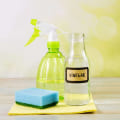
The kitchen is the heart of the home, and maintaining its cleanliness is crucial for health. Start by decluttering the countertops and putting away any items that don’t belong. Follow these steps:- Wipe Down Surfaces: Use a multi-surface cleaner or a mixture of vinegar and water to wipe down countertops, tables, and other surfaces.
Pay special attention to areas where food is prepared.
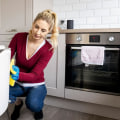
- Clean Appliances: For the microwave, place a bowl of water with lemon inside and heat it for a few minutes. This will loosen grime, making it easier to wipe clean. For the refrigerator, remove expired items and wipe down shelves with a damp cloth.
- Scrub the Sink: Use a non-abrasive cleaner to scrub the sink and faucet. Rinse thoroughly to remove any residue.
- Mop the Floor: Sweep or vacuum first to remove debris, then mop using a suitable floor cleaner.
Start from the farthest corner and work your way towards the exit.
How to Clean the Bathroom
The bathroom requires regular cleaning to prevent mold and bacteria buildup. Here’s how to tackle it:- Remove Items: Take out all personal items from countertops and shelves.
- Apply Cleaner: Spray a bathroom cleaner on sinks, tubs, and toilets. Let it sit for a few minutes to break down grime.
- Scrub Fixtures: Use a brush or sponge to scrub sinks, faucets, and showerheads. Don’t forget to clean behind these fixtures where dirt can accumulate.
- Clean the Toilet: Use a toilet bowl cleaner inside the bowl and scrub with a toilet brush.
Wipe down the exterior with disinfectant wipes.
- Mop the Floor: Similar to the kitchen, sweep or vacuum first before mopping with an appropriate cleaner.
How to Clean Floors
Your floors endure a lot of foot traffic and can harbor dirt and allergens. Here’s how to keep them in top shape:- Sweep or Vacuum: Start by removing loose dirt and debris using a broom or vacuum cleaner.
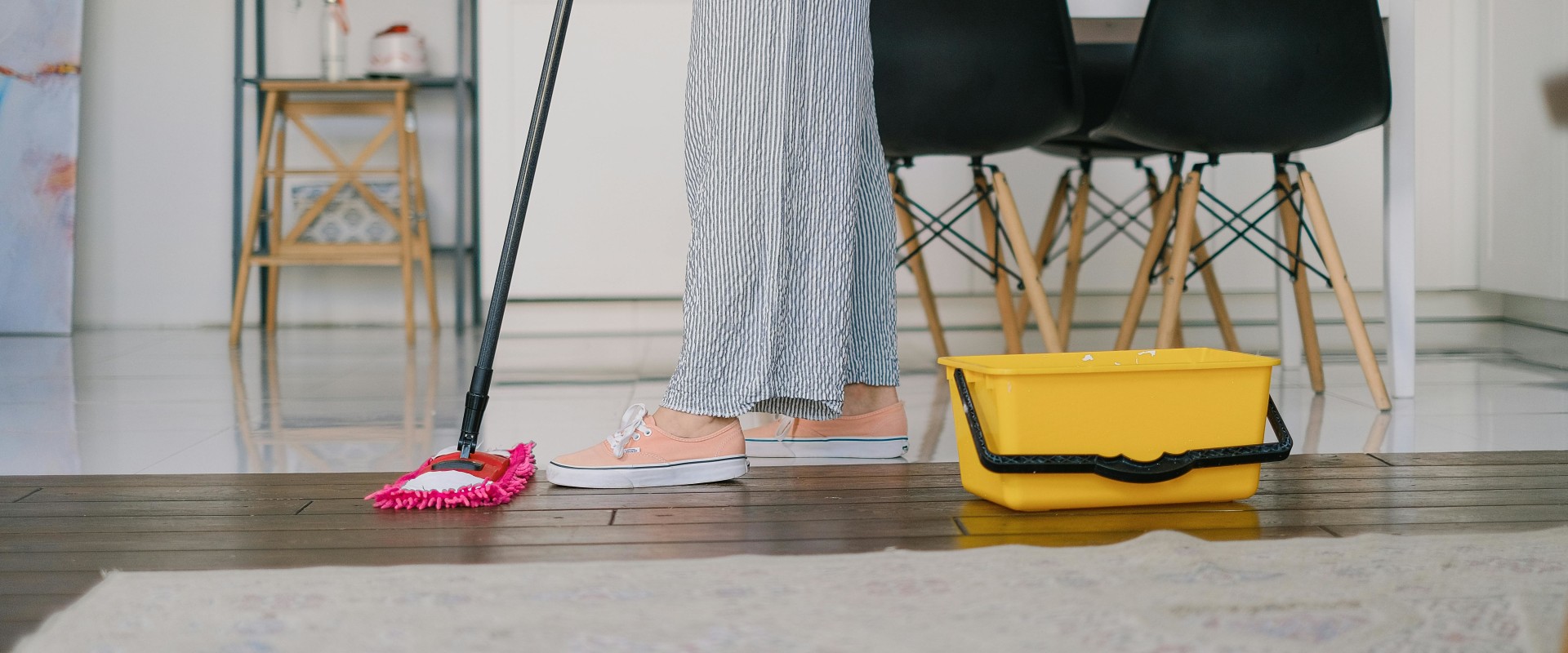
- Mop with Care: Depending on your floor type (tile, hardwood, laminate), choose an appropriate cleaning solution. For hardwood floors, use a damp mop rather than soaking wet.
- Tackle Stains: For stubborn stains, use a specialized cleaner suitable for your floor type. Always test in an inconspicuous area first.
Maintaining a Clean Home: Tips for Long-Term Success
Maintaining a clean home is not just about deep cleaning once in a while; it’s about establishing habits that promote cleanliness and organization on a daily basis.Here are some practical tips to help you keep your home tidy and clutter-free over the long term:
- Establish a Daily Cleaning Routine: Dedicate a specific time each day for light cleaning tasks. This could include making your bed, wiping down kitchen counters, or doing a quick vacuum. A few minutes each day can prevent dirt and clutter from accumulating.
- Implement the "One In, One Out" Rule: For every new item you bring into your home, consider removing one. This helps to control clutter and ensures that your living space remains manageable.
- Designate a Place for Everything: Ensure that every item in your home has a designated spot.
This makes it easier to put things away and reduces the likelihood of clutter building up.
- Involve the Whole Family: If you live with others, make cleaning a shared responsibility. Assign specific tasks to each family member based on their abilities and age. This not only lightens your load but also teaches children valuable life skills.
- Schedule Regular Decluttering Sessions: Set aside time weekly or monthly to go through your belongings. Assess what you truly need and what can be donated or discarded.
This practice keeps your home organized and prevents overwhelming clutter.
- Use Storage Solutions Wisely: Invest in storage bins, baskets, and organizers to keep items neatly stored away. Labeling these containers can also help everyone in the household know where things belong.
- Keep Cleaning Supplies Accessible: Store cleaning supplies in easily accessible locations throughout your home. This encourages spontaneous cleaning sessions when you notice a mess that needs attention.
FAQs About House Cleaning and Health Benefits
When it comes to house cleaning, many people have questions about the process and its impact on health.Here are some frequently asked questions that can help clarify common misconceptions and provide valuable insights.
What are the health benefits of regular house cleaning?
Regular house cleaning offers numerous health benefits, including:- Reduced Allergens: Cleaning your home regularly helps to eliminate dust, pet dander, and pollen, which can trigger allergies and respiratory issues.
- Improved Air Quality: A clean home promotes better air circulation and reduces the presence of harmful pollutants, leading to a healthier living environment.
- Decreased Stress Levels: A tidy space can significantly reduce stress and anxiety, creating a more peaceful atmosphere.
- Enhanced Productivity: A clean and organized home can improve focus and productivity, making it easier to accomplish daily tasks.
How often should I clean my house?
The frequency of cleaning depends on various factors such as household size, lifestyle, and personal preferences. However, a general guideline is:- Daily: Tidy up common areas, wash dishes, and wipe down kitchen surfaces.
- Weekly: Vacuum carpets, mop floors, and clean bathrooms.
- Monthly: Dust surfaces, clean windows, and organize closets.
Can cleaning products affect my health?
Yes, some cleaning products contain harsh chemicals that can be harmful if inhaled or absorbed through the skin. To minimize health risks:- Choose Natural Products: Opt for eco-friendly or homemade cleaning solutions that are less toxic.
- Avoid Mixing Chemicals: Combining different cleaning agents can create dangerous fumes.
Is it necessary to hire a professional cleaning service?
While many people can manage their own cleaning tasks, hiring a professional service can be beneficial for deep cleans or for those with busy schedules. Professionals often have specialized equipment and expertise that can enhance the cleanliness of your home.In conclusion, understanding the health benefits of regular house cleaning can motivate you to maintain a cleaner living space.By addressing these common questions, you can make informed decisions about your cleaning routine and its impact on your well-being.
Conclusion: The Path to a Healthier Home Through Cleaning
In conclusion, the journey to a healthier home begins with a commitment to regular cleaning and organization. By prioritizing decluttering as the first step in your cleaning routine, you not only create a more visually appealing space but also significantly enhance your overall well-being. A clutter-free environment reduces stress and anxiety, allowing you to focus on what truly matters in your life.Establishing a consistent cleaning schedule is essential for maintaining the health benefits associated with a clean home. Regular cleaning helps to eliminate allergens, dust, and bacteria that can accumulate over time, contributing to respiratory issues and other health problems.By dividing your tasks into manageable daily, weekly, and monthly lists, you can ensure that every corner of your home receives the attention it deserves.Moreover, incorporating effective cleaning techniques can further amplify the positive effects of your efforts. For instance, using natural cleaning products not only protects your family from harmful chemicals but also contributes to a more sustainable lifestyle. Additionally, focusing on high-traffic areas such as kitchens and bathrooms can prevent the buildup of grime and germs, promoting a healthier living environment.As you embark on this path to a cleaner home, remember that the benefits extend beyond mere aesthetics. A well-maintained space fosters mental clarity and emotional stability, creating an atmosphere where you can thrive.
Embrace the process of cleaning as an opportunity for self-care and mindfulness.Ultimately, the health benefits of regular house cleaning are profound. By starting with decluttering and committing to a routine that prioritizes cleanliness, you pave the way for a healthier lifestyle. Your home should be a sanctuary that nurtures your physical and mental health—make it a priority today.