Maintaining the beauty and integrity of hardwood floors is not just about aesthetics; it plays a crucial role in promoting a healthy living environment. Over time, dust, dirt, and allergens accumulate on the surface of hardwood floors, creating an uninviting atmosphere that can negatively impact indoor air quality. Regular cleaning is essential to mitigate these issues, ensuring that your home remains a safe haven for you and your family. One of the most significant health benefits of regular house cleaning is the reduction of allergens and irritants. Hardwood floors can trap dust mites, pet dander, and pollen, which can exacerbate respiratory issues such as asthma and allergies.
By committing to a consistent cleaning routine, you can significantly decrease the presence of these harmful particles, leading to improved air quality and overall well-being. Moreover, neglecting hardwood floor maintenance can lead to more severe problems down the line. Accumulated grime can cause scratches and dullness, diminishing the floor's natural luster. This not only affects the visual appeal of your home but can also lead to costly repairs or refinishing in the future. Regular cleaning helps preserve the finish of your hardwood floors, extending their lifespan and maintaining their value. In addition to health benefits and maintenance considerations, a clean home fosters a sense of peace and comfort.
The psychological effects of cleanliness cannot be overstated; a tidy environment promotes relaxation and reduces stress levels. By prioritizing the cleanliness of your hardwood floors, you are investing in both your physical health and mental well-being.
Assessing the Condition of Your Hardwood Floors
Before diving into the cleaning process, it’s essential to assess the condition of your hardwood floors. This evaluation will help you understand the extent of dirt buildup, scratches, and any other damage that may require special attention. Here are some steps to effectively assess your hardwood floors:1.Visual Inspection
Start with a thorough visual inspection of your floors.Look for:
- Dirt and Grime Buildup: Check for visible layers of dust, dirt, or grime, especially in corners and under furniture where cleaning may have been neglected.
- Scratches and Dents: Examine the surface for scratches, dents, or gouges. These can indicate heavy foot traffic or the movement of furniture.
- Discoloration: Look for areas that appear darker or lighter than the surrounding wood. This could be a sign of water damage or sun exposure.
- Finish Condition: Assess the sheen of your floor. A dull appearance may suggest that the finish has worn away and needs refinishing.
2.Touch Test
After your visual inspection, perform a touch test:- Feel for Roughness: Run your hand across the surface to detect rough patches or areas that feel sticky.
This can indicate a buildup of residue from cleaning products or dirt.
- Check for Soft Spots: Gently press down on various areas to identify any soft spots that may indicate water damage or rot beneath the surface.
3.Cleaning Test
If you’re unsure about the level of dirt buildup, conduct a small cleaning test:- Select an Inconspicuous Area: Choose a corner or an area that is less visible.
- Use a Mild Cleaner: Apply a small amount of hardwood floor cleaner diluted according to instructions and scrub gently with a soft cloth or mop.
- Evaluate Results: After cleaning, check if there’s a noticeable difference in shine and cleanliness compared to the surrounding area.
Gathering the Right Tools and Supplies for Deep Cleaning
To effectively clean hardwood floors that have not seen a thorough cleaning in years, it is crucial to gather the right tools and supplies. Using appropriate products not only enhances the cleaning process but also protects the integrity of your wood floors.Essential Cleaning Tools
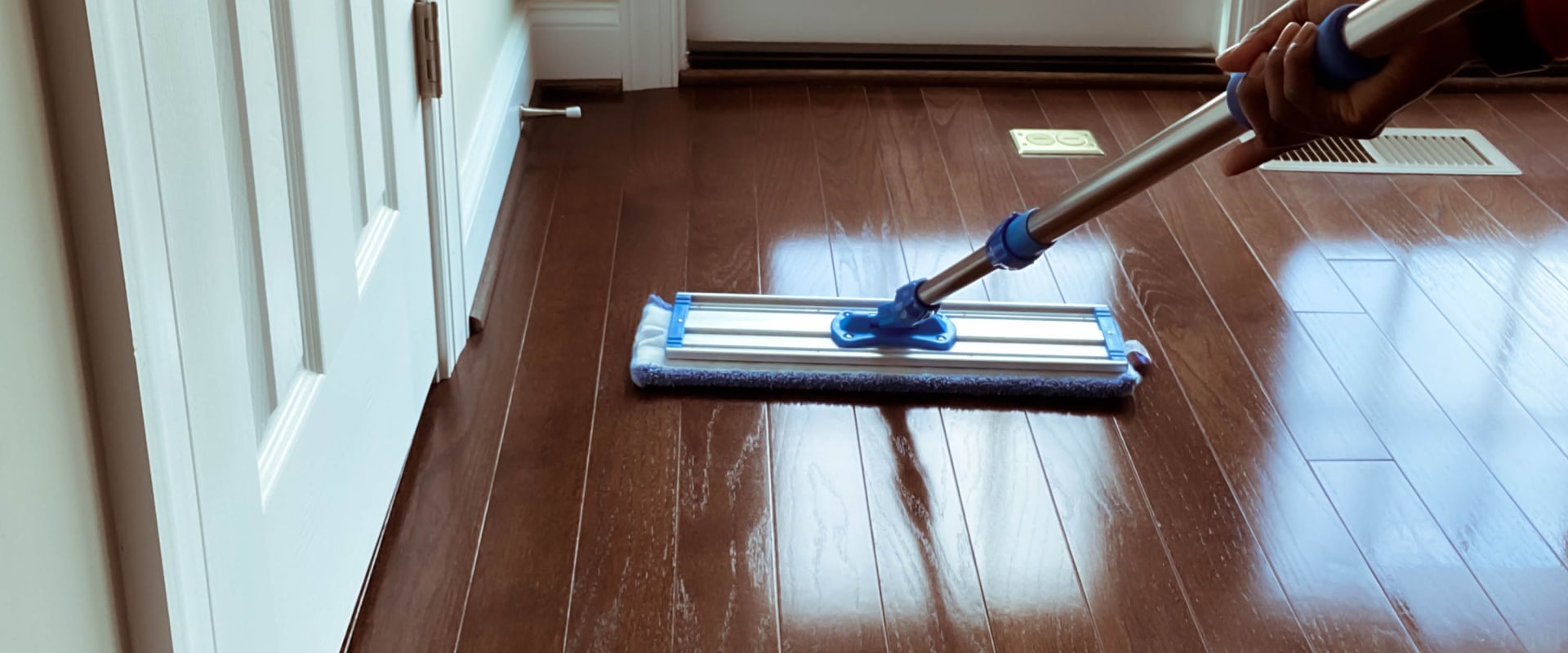
- Hardwood Floor Mop: A microfiber mop is ideal for hardwood floors as it effectively traps dust and dirt without scratching the surface. Look for mops with washable pads to save on costs and reduce waste.
- Broom and Dustpan: A soft-bristled broom is essential for sweeping up loose dirt and debris before mopping.
This step prevents larger particles from scratching the floor during the cleaning process.
- Vacuum Cleaner: A vacuum designed for hardwood floors can be a great addition to your cleaning arsenal. Ensure it has a setting that allows for gentle suction to avoid damaging the wood.
Cleaning Supplies
- Hardwood Floor Cleaner: Choose a cleaner specifically formulated for hardwood floors, such as Bona or Bruce. These products are designed to remove grime without harming the finish of your wood.
- White Vinegar: For a natural cleaning solution, mix ½ cup of white vinegar with a gallon of water. This mixture can help break down tough stains while being gentle on the wood.
- Microfiber Cloths: These are perfect for spot cleaning and drying surfaces after mopping.
Their soft texture ensures that no scratches are left behind.
Additional Supplies
- Bucket: A sturdy bucket is necessary for mixing your cleaning solutions and rinsing your mop.
- Protective Gear: Consider wearing gloves to protect your hands from harsh chemicals, especially if you opt for commercial cleaners.
- Sponge or Soft Scrub Brush: For stubborn stains, a damp sponge or soft scrub brush can help lift dirt without damaging the floor's finish.
Step-by-Step Guide to Deep Cleaning Neglected Hardwood Floors
Cleaning hardwood floors that have been neglected for years can seem daunting, but with the right approach, you can restore their beauty and extend their lifespan. Follow this step-by-step guide to deep clean your hardwood floors effectively.- Gather Your Supplies: Before you start, make sure you have all the necessary cleaning supplies. You will need:
- A hardwood floor cleaner (preferably pH-neutral)
- A mop or microfiber cloth
- A vacuum cleaner or broom
- A bucket
- White vinegar (optional for tough stains)
- Soft-bristle brush or sponge
- Fine steel wool (for deeper stains)
- Remove Loose Dirt and Debris: Start by thoroughly sweeping or vacuuming the floor to remove any loose dirt, dust, and debris.
Pay special attention to corners and under furniture where dirt tends to accumulate.
- Prepare Your Cleaning Solution: If using a commercial hardwood floor cleaner, follow the instructions on the label for dilution. For a natural solution, mix ½ cup of white vinegar with a gallon of warm water. This mixture can help break down grime without damaging the wood.
- Mop the Floor: Using a damp mop or microfiber cloth, apply your cleaning solution to a small section of the floor at a time. Avoid soaking the wood; instead, ensure the mop is damp but not dripping.
Use circular motions to lift dirt and grime effectively.
- Tackle Stains: For stubborn stains, apply a small amount of your cleaning solution directly onto the stain and let it sit for a few minutes. Then, gently scrub with a soft-bristle brush or sponge. If the stain persists, lightly sand the area with fine steel wool and clean it again with mineral spirits.
- Rinse and Dry: After mopping, rinse your mop or cloth in clean water and go over the floor again to remove any residue from the cleaning solution. Finally, dry the floor with a clean, dry mop or towel to prevent water damage.
- Regular Maintenance: To keep your hardwood floors looking their best, establish a regular cleaning routine.
Sweep or vacuum weekly and perform a deep clean every few months to prevent buildup.
Using Natural Cleaners: Vinegar and Beyond
When it comes to cleaning hardwood floors that have been neglected for years, many homeowners are turning to natural cleaners as a safe and effective alternative to harsh chemicals. Among these, vinegar stands out as a popular choice due to its availability and cleaning power. However, it’s essential to use vinegar correctly to avoid damaging your floors.Vinegar Cleaning Method
- Dilution is Key: To create a safe cleaning solution, mix ½ cup of white vinegar with one gallon of warm water.
This dilution helps to reduce the acidity of the vinegar, making it less likely to harm the finish of your hardwood floors.
- Application: Use a soft mop or cloth to apply the solution. It’s crucial to ensure that the mop is damp, not soaking wet, as excess water can seep into the seams of the wood and cause damage over time.
- Circular Motions: When cleaning, use gentle circular motions to lift dirt and grime without scratching the surface. Focus on small sections at a time, allowing you to monitor the effectiveness of your cleaning.
- Baking Soda: This versatile ingredient can be used for spot cleaning tough stains. Create a paste with water and gently scrub the stained area with a soft cloth.
- Coconut Oil: For polishing and conditioning your hardwood floors, mix a few drops of coconut oil with your vinegar solution.
This will help restore shine while providing a protective layer.
- Castile Soap: A plant-based soap that is gentle yet effective for cleaning hardwood floors. Mix a few drops with water for a safe cleaning solution that won’t leave residue.
Preventative Measures: Maintaining Clean Hardwood Floors
Once you have successfully deep cleaned your hardwood floors, the next step is to implement preventative measures that will help maintain their beauty and longevity. Regular maintenance not only keeps your floors looking pristine but also contributes to a healthier indoor environment.Establishing a Regular Cleaning Schedule
- Daily Maintenance: Sweep or vacuum your hardwood floors daily to remove dust, dirt, and debris.
This simple step prevents scratches and keeps allergens at bay.
- Weekly Cleaning: Set aside time each week for a more thorough cleaning. Use a damp mop with a hardwood floor cleaner specifically designed for your type of finish. Avoid using excessive water, as it can seep into seams and damage the wood.
- Monthly Deep Cleaning: Once a month, consider doing a deeper clean by using a specialized hardwood floor cleaner. This can help remove any buildup that regular cleaning might miss.
- Seasonal Maintenance: At least once every season, inspect your floors for any signs of wear or damage.
This is also a good time to apply a fresh coat of polish if needed.
Best Practices for Daily Maintenance
- Use Area Rugs: Place area rugs in high-traffic zones to protect your hardwood floors from scratches and scuffs. Ensure that these rugs have non-slip backing to prevent accidents.
- Furniture Pads: Attach felt pads to the bottom of furniture legs to prevent scratching when items are moved. Regularly check these pads and replace them as needed.
- Shoe Policy: Encourage family members and guests to remove shoes before walking on hardwood floors. This simple practice can significantly reduce dirt and debris tracked onto the surface.
- Humidity Control: Maintain indoor humidity levels between 30% and 50%.
Excessive moisture can cause wood to swell, while low humidity can lead to cracks. Using a humidifier or dehumidifier can help regulate this.
Health Benefits of Regular House Cleaning: A Deeper Look
Maintaining a clean home is not just about aesthetics; it plays a crucial role in promoting overall health and well-being. Regular house cleaning, particularly of hardwood floors, can significantly impact your physical and mental health.Here’s a closer look at the health benefits associated with keeping your living spaces clean.
1.Reducing Allergens and Irritants
Hardwood floors can accumulate dust, pet dander, pollen, and other allergens over time. Regular cleaning helps to minimize these irritants, which can lead to respiratory issues and allergies. By using appropriate cleaning methods, such as damp mopping with a suitable hardwood floor cleaner, you can effectively trap dust and prevent it from becoming airborne.
2.Preventing Mold Growth
Moisture can be a significant issue for hardwood floors, especially in humid environments. If not cleaned regularly, spills or humidity can lead to mold growth, which poses serious health risks.
Regular cleaning not only removes moisture but also helps in identifying potential problem areas before they escalate into larger issues.
3.Enhancing Mental Well-Being
A clean environment contributes to improved mental clarity and reduced stress levels. Studies have shown that cluttered spaces can lead to feelings of anxiety and overwhelm. By maintaining clean hardwood floors and tidy living areas, you create a more serene atmosphere that promotes relaxation and focus.
4.Encouraging Physical Activity
Cleaning itself is a form of physical activity that can contribute to overall fitness. Sweeping, mopping, and organizing require movement that can help burn calories and improve cardiovascular health.
Incorporating regular cleaning into your routine not only keeps your home healthy but also encourages a more active lifestyle.
5.Boosting Productivity
A clean home fosters an environment conducive to productivity. When your living space is organized and free from distractions, it becomes easier to concentrate on tasks at hand, whether they are work-related or personal projects. Clean hardwood floors contribute to this by providing a clear and inviting space.In conclusion, the health benefits of regular house cleaning extend far beyond mere appearances. By prioritizing cleanliness—especially in high-traffic areas like hardwood floors—you create a healthier living environment that supports both physical health and mental well-being.
Common Mistakes to Avoid When Cleaning Hardwood Floors
Cleaning hardwood floors can be a straightforward task, but many homeowners make common mistakes that can lead to damage or ineffective cleaning.Understanding these pitfalls is essential for maintaining the beauty and longevity of your hardwood floors.
- Using Excessive Water: One of the most significant mistakes is using too much water during cleaning. Hardwood floors are sensitive to moisture, and excessive water can seep into the seams, causing warping or swelling. Always use a damp mop rather than a soaking wet one, and ensure to dry any excess moisture immediately.
- Choosing the Wrong Cleaning Products: Not all cleaning products are suitable for hardwood floors. Avoid using harsh chemicals, abrasive cleaners, or those containing ammonia, as they can strip the finish and damage the wood.
Instead, opt for pH-neutral cleaners specifically designed for hardwood.
- Neglecting Regular Maintenance: Some homeowners believe that deep cleaning is sufficient and neglect regular maintenance. Dust and dirt can accumulate quickly, leading to scratches and dullness. Implement a routine of sweeping or vacuuming at least once a week to keep your floors looking their best.
- Ignoring Stains Promptly: Allowing spills or stains to sit can lead to permanent damage. It’s crucial to address any spills immediately by blotting them with a soft cloth and using an appropriate cleaner if necessary.
This quick action can prevent stains from setting in.
- Using Steam Cleaners: While steam cleaners are popular for many surfaces, they are not recommended for hardwood floors. The high heat and moisture can damage the wood finish and lead to warping. Stick to traditional mopping methods with suitable cleaners.
FAQs About Cleaning Hardwood Floors That Haven't Been Cleaned in Years
Cleaning hardwood floors that have been neglected for years can raise numerous questions.Here are some frequently asked questions that can help guide you through the process.
What is the best way to start cleaning hardwood floors that haven't been cleaned in a long time?
Begin by removing all furniture and items from the floor. This will give you a clear workspace and allow you to assess the condition of the wood. Next, sweep or vacuum the floor thoroughly to eliminate loose dirt and debris. After that, use a damp mop with a suitable hardwood floor cleaner, ensuring it is not overly wet, as excess moisture can damage the wood.Can I use vinegar to clean my hardwood floors?
While vinegar is often touted as a natural cleaning solution, it is acidic and can potentially harm the finish of your hardwood floors if used improperly.If you choose to use vinegar, dilute it properly—typically ½ cup of white vinegar per gallon of water. Always test this solution on a small, inconspicuous area first to ensure it does not dull the finish.
How do I remove stubborn stains from my hardwood floors?
For tough stains, consider using a specialized hardwood floor cleaner designed for stain removal. If the stain persists, you may need to lightly sand the affected area with fine-grit sandpaper and then clean it with mineral spirits. Always follow up with a protective finish to restore shine and protect the wood.Is it safe to use steam mops on hardwood floors?
No, most major hardwood flooring associations do not recommend using steam mops on wood floors.The high heat and moisture can penetrate the seams and cause warping or damage over time. Stick to damp mopping with appropriate cleaners instead.
How often should I clean my hardwood floors?
The frequency of cleaning depends on several factors including foot traffic, presence of pets, and lifestyle. Generally, it's advisable to perform a thorough cleaning every month and maintain regular sweeping or vacuuming weekly to keep dirt at bay.What if my hardwood floors look dull after cleaning?
If your floors appear dull post-cleaning, it may be due to residue from cleaning products or improper cleaning techniques. Ensure you are using a cleaner specifically formulated for hardwood floors and avoid excessive water.If dullness persists, consider applying a rejuvenating product designed for hardwood finishes.By addressing these common questions, you can effectively tackle the challenge of cleaning neglected hardwood floors while preserving their beauty and longevity.
Conclusion: Embracing Cleanliness for Healthier Living Spaces
In conclusion, maintaining a clean living environment is not merely about aesthetics; it plays a crucial role in promoting overall health and well-being. As we have explored throughout this article, the health benefits of regular house cleaning extend far beyond the surface, impacting both physical and mental health.Regular cleaning routines help to eliminate dust, allergens, and harmful bacteria that can accumulate over time, particularly in spaces that have been neglected for years. This is especially important for individuals with respiratory issues or allergies, as a clean home can significantly reduce triggers that exacerbate these conditions. Moreover, the act of cleaning itself can serve as a form of physical exercise, contributing to better cardiovascular health and improved mobility.Additionally, a tidy environment fosters mental clarity and reduces stress levels.Cluttered spaces can lead to feelings of anxiety and overwhelm, while organized areas promote a sense of calm and control. By embracing cleanliness, you are not only enhancing your living space but also nurturing your mental health.To summarize the key points:
- Health Benefits: Regular cleaning reduces allergens and bacteria, improving respiratory health.
- Mental Well-being: A clean home contributes to lower stress levels and enhanced focus.
- Physical Activity: Cleaning can be an effective way to incorporate exercise into your routine.
- Aesthetic Appeal: A well-maintained home is visually pleasing and creates a welcoming atmosphere.