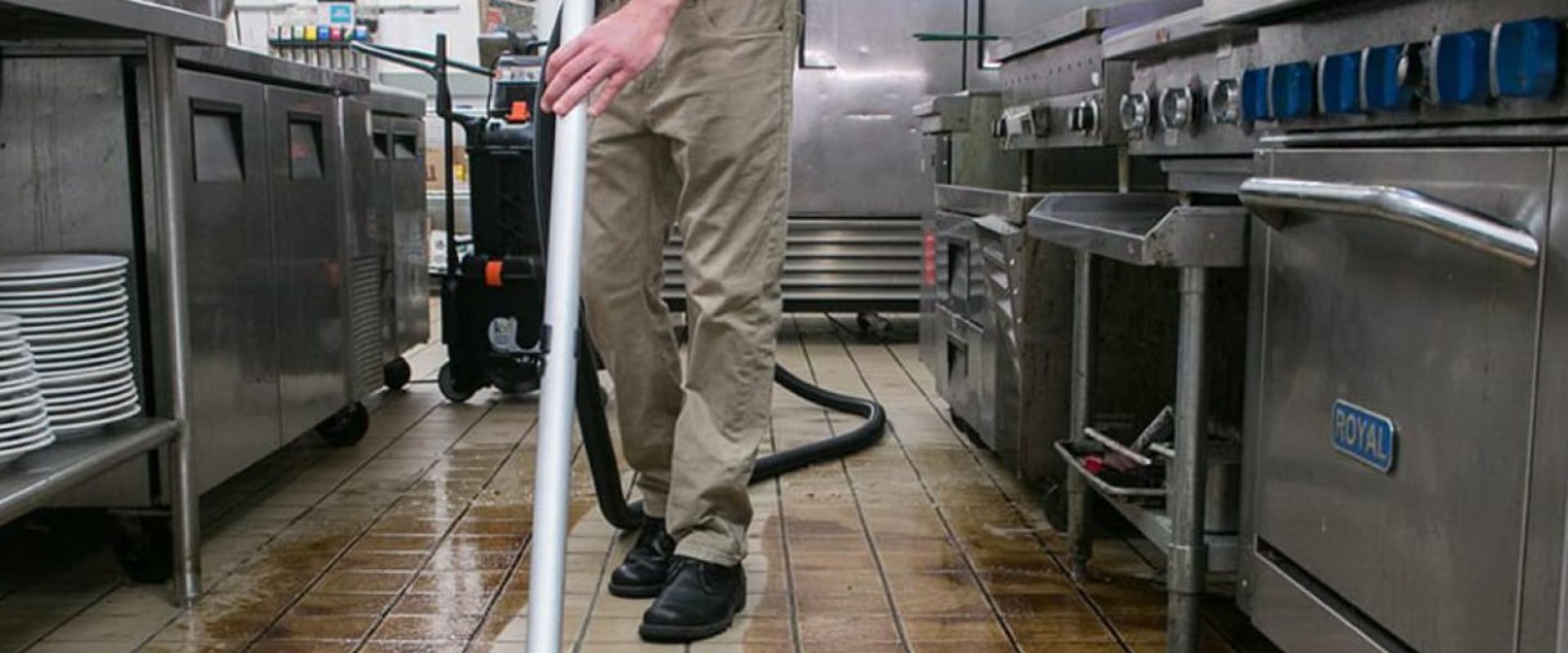
In the bustling environment of a commercial kitchen, the floor often bears the brunt of spills, grease, and food debris. Maintaining a clean kitchen floor is not merely a matter of aesthetics; it plays a crucial role in ensuring the overall health and safety of both staff and patrons. A clean floor minimizes the risk of slips and falls, which are common hazards in food service environments. Moreover, it helps prevent cross-contamination, a significant concern in any kitchen where raw and cooked foods coexist.The health benefits of keeping kitchen floors clean extend beyond immediate safety.
Regular cleaning practices contribute to a hygienic workspace that can significantly reduce the presence of harmful bacteria and pathogens. In commercial kitchens, where food is prepared for public consumption, maintaining high hygiene standards is not just recommended; it is mandated by health regulations. A dirty floor can harbor bacteria such as Salmonella or E. coli, which can lead to foodborne illnesses if they come into contact with food preparation areas.Furthermore, a clean kitchen floor reflects a commitment to quality and professionalism.
Customers are more likely to trust establishments that prioritize cleanliness, as it signals attention to detail and care for their dining experience. In an industry where reputation is everything, maintaining a spotless kitchen environment can enhance customer satisfaction and loyalty.In summary, understanding the importance of a clean kitchen floor goes beyond mere appearance; it encompasses health benefits, safety standards, and customer perceptions. By prioritizing cleanliness in commercial kitchens, operators not only comply with health regulations but also foster a safe and welcoming environment for both employees and guests.
Common Challenges in Cleaning Commercial Kitchen Floors
Cleaning the floors of a commercial kitchen is no small feat, primarily due to the unique challenges posed by the environment. The combination of high foot traffic, frequent spills, and the presence of various types of grease creates a complex cleaning scenario that requires specialized knowledge and techniques.Types of Grease
- Animal Fats: Commonly found in kitchens that prepare meat dishes, animal fats can solidify and create a slippery surface if not cleaned promptly.
- Vegetable Oils: Often used in frying and sautéing, these oils can leave a sticky residue that attracts dirt and grime.
- Synthetic Greases: Used in some cooking equipment, these can be particularly challenging to remove due to their chemical composition.
For instance, while hot water may suffice for vegetable oils, animal fats often need a degreaser to break them down effectively.
Common Contaminants
- Food Particles: Leftover food can become embedded in grease, making it more difficult to clean. These particles not only contribute to unsanitary conditions but can also attract pests.
- Dirt and Dust: With constant movement in the kitchen, dirt and dust accumulate quickly. This debris can mix with grease, creating a thick layer that is hard to scrub away.
- Spills: Accidental spills are inevitable in a busy kitchen. Whether it's sauce, oil, or water, each spill can lead to slippery surfaces if not addressed immediately.
Cleaning Difficulties
The physical layout of many commercial kitchens can also complicate cleaning efforts.
Tight spaces between equipment make it challenging to maneuver cleaning tools effectively. Additionally, the use of heavy-duty equipment like fryers and ovens often leads to grease buildup in hard-to-reach areas.Moreover, the need for compliance with health regulations adds another layer of complexity. Regular inspections require that kitchens maintain a certain standard of cleanliness, which can be difficult to achieve without a consistent cleaning routine.In summary, the challenges associated with cleaning greasy commercial kitchen floors stem from the types of grease present, common contaminants found in the environment, and the physical constraints of the kitchen layout. Addressing these issues requires a strategic approach that combines proper cleaning techniques with regular maintenance to ensure a safe and hygienic workspace.
Essential Tools and Equipment for Effective Cleaning
Cleaning a greasy commercial kitchen floor requires the right tools and equipment to ensure efficiency and effectiveness.Below is a comprehensive list of essential items that will help you maintain a clean and safe kitchen environment.
- Mops: A high-quality mop is crucial for cleaning greasy floors. Consider using a microfiber mop, which is highly absorbent and effective at picking up grease and grime. Traditional mops can spread dirt around, so opt for a mop designed specifically for commercial use.
- Buckets: Use sturdy, large-capacity buckets to hold your cleaning solutions. Look for buckets with measurement markings to ensure accurate dilution of cleaning products.
A bucket with a wringer can also help remove excess water from mops, making the cleaning process more efficient.
- Degreasers: Invest in powerful degreasers formulated for commercial kitchens. These products are designed to break down tough grease and food residues. Always follow the manufacturer's instructions for dilution and application to achieve the best results.
- Scrub Brushes: For stubborn stains or areas that require extra attention, a heavy-duty scrub brush can be invaluable. Choose brushes with stiff bristles that can withstand rigorous scrubbing without losing their shape.
- Personal Protective Equipment (PPE): Safety should always be a priority in a commercial kitchen.
Equip your staff with appropriate PPE, including gloves, non-slip shoes, and aprons. Gloves protect hands from harsh chemicals, while non-slip shoes help prevent accidents on wet floors.
- Floor Scrubbers: For larger kitchens, consider investing in a commercial floor scrubber. These machines can save time and labor by automating the scrubbing process, ensuring thorough cleaning of large areas quickly.
- Cleaning Cloths: Microfiber cloths are excellent for wiping down surfaces and removing grease from equipment. They are reusable and can be washed after use, making them an eco-friendly option.
Regular maintenance not only keeps the kitchen looking good but also helps prevent slips and falls, promoting overall safety in the workplace.
Step-by-Step Guide to Cleaning Greasy Floors
Cleaning greasy floors in a commercial kitchen is essential for maintaining a safe and hygienic environment. Here’s a detailed step-by-step guide to effectively tackle this task:- Gather Your Supplies: Before you begin, ensure you have all necessary cleaning supplies. This includes:
- Commercial degreaser
- Mop and bucket
- Scrub brush or floor scrubber
- Hot water
- Personal protective equipment (PPE) such as gloves and non-slip shoes
- Wet floor signs
- Clear the Area: Remove any furniture, equipment, or obstacles from the floor area to ensure you have full access to the surface you need to clean.
- Pre-Rinse the Floor: Use hot water to pre-rinse the floor. This helps to loosen up grease and food particles, making the cleaning process more effective.
- Apply Degreaser: Dilute your commercial degreaser according to the manufacturer’s instructions.
Apply it generously over the greasy areas of the floor. Allow it to sit for a few minutes to penetrate and break down the grease.
- Scrub the Floor: Using a scrub brush or a floor scrubber, scrub the surface thoroughly. Pay special attention to corners and edges where grease tends to accumulate. For stubborn spots, you may need to apply additional degreaser and scrub again.
- Mop Up Residue: After scrubbing, use a mop and bucket with clean hot water to remove any remaining degreaser and grease residue.
Rinse the mop frequently to avoid spreading dirt back onto the floor.
- Rinse Thoroughly: It’s crucial to rinse the floor thoroughly with clean water after mopping. This step ensures that no cleaning chemicals are left behind, which could pose health risks or create slippery surfaces.
- Dry the Floor: Allow the floor to air dry completely. If possible, use fans or open windows to speed up the drying process. Place wet floor signs around the area to prevent slips and falls while drying.
- Regular Maintenance: To keep your kitchen floors in optimal condition, establish a regular cleaning schedule.
Daily sweeping and mopping can help prevent grease buildup, while weekly deep cleaning will maintain hygiene standards.
Choosing the Right Cleaning Solutions
When it comes to maintaining a clean and safe environment in a commercial kitchen, selecting the right cleaning solutions is crucial. The effectiveness of your cleaning regimen largely depends on the products you choose, especially when dealing with stubborn grease and grime.1.Understanding Degreasers
Degreasers are specialized cleaning agents designed to break down and dissolve grease, making them essential for commercial kitchens. These products come in various forms, including:
- Liquid Degreasers: Typically used for general cleaning tasks, these can be diluted with water for various applications.
- Foaming Degreasers: Ideal for vertical surfaces, foaming agents cling to surfaces longer, allowing for more effective cleaning.
- Wipes and Sprays: Convenient for quick clean-ups, these are perfect for spot cleaning and maintaining surfaces between deep cleans.
Look for products that are non-toxic and free from harsh chemicals to ensure the safety of your staff and customers.
2.Eco-Friendly Cleaning Products
In recent years, there has been a significant shift towards using eco-friendly cleaning solutions in commercial kitchens. These products not only help reduce environmental impact but also promote a healthier workplace. Some popular eco-friendly options include:
- Citrus-Based Cleaners: Derived from natural citrus fruits, these cleaners effectively cut through grease while leaving a pleasant scent.
- Baking Soda: A versatile ingredient that can be used as a gentle abrasive to scrub surfaces without scratching.
- Vinegar Solutions: Known for its natural disinfectant properties, vinegar can be mixed with water to create an effective all-purpose cleaner.
3.Choosing the Right Product for Your Needs
The best cleaning solution will depend on the specific needs of your kitchen. Consider factors such as:
- The type of surfaces you are cleaning (tile, stainless steel, etc.)
- The level of grease buildup present
- Your staff's sensitivity to chemicals
Preventative Measures to Maintain Clean Floors
Maintaining a clean kitchen floor in a commercial setting is not just about deep cleaning; it involves implementing preventative measures that can significantly reduce the frequency and intensity of those deep cleans.By establishing a routine and adhering to best practices, kitchen staff can ensure that floors remain safe and hygienic.
Daily Cleaning Routines
- Regular Sweeping: Begin each shift by sweeping the kitchen floor to remove crumbs, debris, and any spills that may have occurred. This simple step prevents dirt from accumulating and becoming more difficult to clean later.
- Spot Cleaning: Encourage staff to address spills immediately. Whether it’s oil, water, or food particles, quick action can prevent stains and slippery surfaces. Keep cleaning supplies readily available for easy access.
- Mopping: Implement a daily mopping schedule using a suitable cleaning solution designed for commercial kitchens.
This should be done at the end of each day to ensure that any grease or grime is effectively removed before it hardens.
Weekly Maintenance Tasks
- Deep Cleaning High-Traffic Areas: Identify areas that see the most foot traffic and require more attention. These spots should be deep cleaned weekly to prevent buildup.
- Equipment Cleaning: Regularly clean under and around kitchen equipment such as fryers, ovens, and refrigerators. These areas often collect grease and grime that can contribute to slippery floors.
- Drain Maintenance: Ensure that floor drains are clear of debris and functioning properly. Clogged drains can lead to standing water, which poses safety hazards.
Staff Training and Awareness
Educating staff on the importance of maintaining clean floors is crucial.
Conduct regular training sessions that emphasize the significance of cleanliness not only for safety but also for overall kitchen efficiency. Encourage team members to take ownership of their workspaces by keeping them tidy throughout their shifts.By integrating these preventative cleaning measures, commercial kitchens can maintain a higher standard of cleanliness, ensuring a safer environment for both staff and customers while reducing the need for extensive cleaning efforts in the future.
Health Benefits of Regular Kitchen Cleaning
Maintaining a clean kitchen is not just about aesthetics; it plays a crucial role in promoting health and safety in commercial environments. Regular cleaning of kitchen floors significantly reduces the risk of accidents and illnesses, making it an essential practice for any establishment.Impact of Cleanliness on Health
In a bustling commercial kitchen, the floor can quickly become a hotspot for grease, food particles, and bacteria. These contaminants can lead to slips and falls, which are among the most common workplace injuries.
By implementing a routine cleaning schedule, you can minimize these hazards. A clean floor not only enhances safety but also contributes to a healthier work environment.
Hygiene Benefits in Kitchens
Regular cleaning helps to eliminate harmful pathogens that thrive in dirty conditions. Bacteria such as Salmonella and E. coli can easily spread from contaminated surfaces to food, posing serious health risks to both staff and customers.
By keeping kitchen floors clean, you significantly reduce the likelihood of foodborne illnesses.Moreover, a clean kitchen promotes better air quality. Dust, grease, and food debris can contribute to poor indoor air quality, which may lead to respiratory issues among staff. Regular cleaning helps to mitigate these risks by removing allergens and irritants from the environment.
Psychological Benefits
The psychological impact of cleanliness should not be overlooked. A tidy kitchen fosters a sense of pride among employees and encourages them to maintain high standards of hygiene throughout their work.
This positive atmosphere can enhance productivity and morale, leading to better overall performance.
Conclusion
In summary, the health benefits of regular kitchen cleaning extend far beyond mere appearance. By prioritizing cleanliness, you create a safer, healthier work environment that protects both employees and customers alike. Investing time and resources into maintaining clean kitchen floors is not just good practice; it is essential for the success of any commercial kitchen.
FAQs About Cleaning Commercial Kitchen Floors
Cleaning commercial kitchen floors can raise numerous questions, especially for those new to the industry or managing a busy establishment. Here are some frequently asked questions that can help clarify the best practices for maintaining a clean and safe kitchen environment.What is the best way to remove grease from kitchen floors?
To effectively tackle grease buildup, start by sweeping or vacuuming the floor to remove loose debris.Then, apply a degreaser specifically designed for commercial kitchens. Allow it to sit for a few minutes to break down the grease before scrubbing with a stiff-bristled brush or a commercial floor scrubber. Rinse thoroughly with hot water to ensure no residue remains.
How often should I clean my commercial kitchen floor?
The frequency of cleaning depends on the volume of food preparation and foot traffic. However, it is generally recommended to perform a deep clean at least once a week, with daily spot cleaning to address spills and grease as they occur.Regular maintenance not only keeps the floor looking good but also helps prevent slips and falls.
Are there specific cleaning products I should use?
Yes, using commercial-grade cleaning products is essential for effective sanitation. Look for bioenzymatic cleaners that contain non-pathogenic bacteria, which can help break down organic matter and eliminate odors. Always follow the manufacturer's instructions for dilution and application to ensure safety and effectiveness.What safety precautions should I take while cleaning?
- Wear appropriate personal protective equipment (PPE): This includes gloves, non-slip shoes, and eye protection if necessary.
- Use caution signs: Clearly mark wet areas to prevent slips and falls.
- Ensure proper ventilation: Some cleaning products may emit strong fumes; adequate ventilation is crucial.
Can I use a regular mop and bucket?
While a traditional mop and bucket can be used, investing in a commercial floor scrubber can significantly improve efficiency and cleanliness. These machines are designed to handle tough grease and grime more effectively than standard mopping methods.What are the long-term benefits of regular floor cleaning?
Regular cleaning not only enhances the appearance of your kitchen but also promotes health benefits.A clean environment reduces the risk of foodborne illnesses, improves employee morale, and ensures compliance with health regulations. Additionally, maintaining your floors can extend their lifespan, saving you money in the long run.
Conclusion: The Path to a Safer and Cleaner Kitchen Environment
In conclusion, maintaining a clean and grease-free floor in a commercial kitchen is not just a matter of aesthetics; it is a crucial aspect of ensuring health and safety for both staff and patrons. The accumulation of grease and food particles can lead to hazardous slip-and-fall accidents, which can have serious consequences for employees and customers alike. Therefore, implementing a regular cleaning schedule is essential.As discussed, the use of appropriate cleaning solutions, such as bioenzymatic cleaners and degreasers, plays a significant role in effectively removing stubborn stains and maintaining hygiene.These products not only eliminate grease but also combat odors, contributing to a more pleasant working environment. It is vital to follow the manufacturer's guidelines for these chemicals to ensure safety and effectiveness.Moreover, investing in professional cleaning services can greatly enhance the cleanliness of your kitchen floors. These experts are equipped with specialized tools and knowledge that can tackle even the toughest grime, ensuring that your kitchen meets health regulations and standards.Equipping your staff with proper footwear is another critical step in promoting safety. Non-slip shoes can significantly reduce the risk of accidents, allowing your team to work efficiently without the constant worry of slipping on wet surfaces.Ultimately, the health benefits of regular house cleaning extend beyond just the physical appearance of your kitchen.
A clean environment fosters better morale among staff, enhances productivity, and ensures compliance with health codes. By prioritizing cleanliness in your commercial kitchen, you are not only safeguarding the well-being of your employees but also enhancing the overall dining experience for your customers.In summary, a commitment to regular cleaning practices will pave the way for a safer and cleaner kitchen environment. By taking proactive measures today, you can prevent potential hazards tomorrow, ensuring that your commercial kitchen remains a safe haven for culinary creativity.