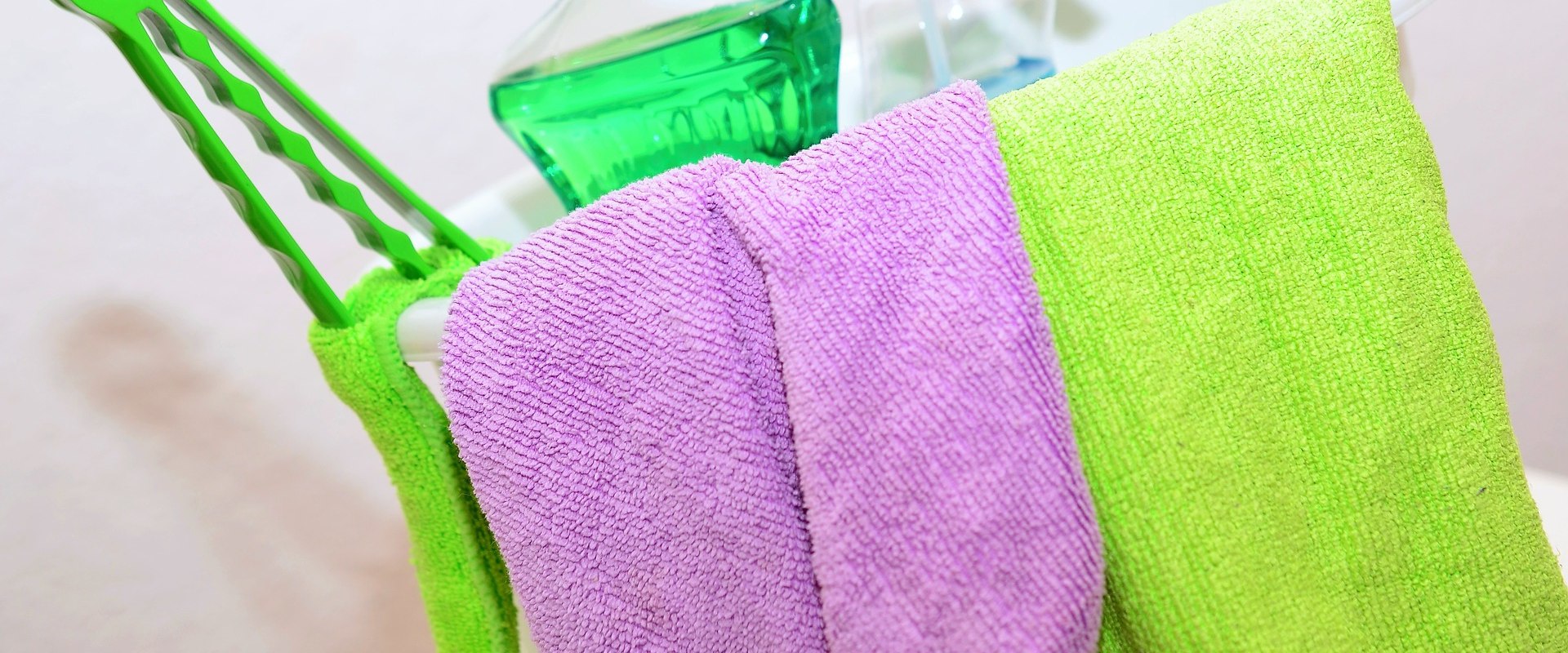
Cleaning agents play a crucial role in maintaining hygiene and cleanliness in both residential and commercial environments. These substances, which include a variety of detergents, degreasers, and disinfectants, are designed to remove dirt, grime, and harmful pathogens from surfaces. In homes, regular cleaning with effective agents not only enhances the aesthetic appeal of living spaces but also contributes significantly to the health and well-being of the occupants. In commercial kitchens, where food safety is paramount, the use of appropriate cleaning agents is essential to prevent cross-contamination and ensure compliance with health regulations.The importance of cleaning agents extends beyond mere aesthetics; they are vital in creating a safe and healthy environment.
For instance, the accumulation of dirt and bacteria can lead to various health issues, including allergies and respiratory problems. By utilizing effective cleaning agents regularly, homeowners and business operators can mitigate these risks. Moreover, many modern cleaning products are formulated to be environmentally friendly, reducing their impact on both human health and the planet.Understanding the different types of cleaning agents available is essential for selecting the right product for specific tasks. From all-purpose cleaners that tackle everyday messes to specialized degreasers that handle tough kitchen grime, each agent serves a unique purpose.
This knowledge not only enhances cleaning efficiency but also ensures that surfaces are treated appropriately without causing damage. As we delve deeper into the various types of cleaning agents used in homes and commercial kitchens, we will explore their specific health benefits and how they contribute to a cleaner, safer environment.
Types of Cleaning Agents Used in Homes and Commercial Kitchens
Cleaning agents play a crucial role in maintaining hygiene and cleanliness in both homes and commercial kitchens. Understanding the different types of cleaning agents available can help you choose the right one for your specific cleaning needs.1.Detergents
Detergents are perhaps the most widely used cleaning agents in both residential and commercial settings. They are designed to break down dirt, grease, and stains, making them easier to remove from surfaces.
Detergents come in various forms, including:
- Liquid: Ideal for general cleaning tasks, liquid detergents are easy to measure and apply.
- Powder: Often used for laundry and heavy-duty cleaning, powdered detergents can be more effective against tough stains.
- Gel: These are concentrated formulas that can be used for targeted cleaning.
- Crystal: Typically used in dishwashing applications, crystal detergents dissolve easily in water.
2.Degreasers
Degreasers are specialized cleaning agents formulated to tackle tough grease and oil stains. They are particularly useful in commercial kitchens where cooking surfaces can accumulate significant amounts of grease. Common applications include:
- Ovens: Degreasers can effectively remove baked-on grease from oven interiors.
- Grills: They help maintain cleanliness by breaking down stubborn grease on grill surfaces.
- Countertops: Degreasers ensure that food preparation areas remain sanitary by eliminating oily residues.
3.Acidic Cleaners
Acidic cleaners are powerful agents used primarily for removing mineral deposits, rust, and hard water stains.
They are often employed in bathrooms and kitchens to clean:
- Sinks: Acidic cleaners can effectively remove soap scum and mineral buildup.
- Toilets: These cleaners help eliminate tough stains and disinfect surfaces.
- Tiles: Acidic solutions can restore the shine to ceramic tiles by removing grime.
Detergents: The Most Common Cleaning Agents
Detergents are the backbone of cleaning in both residential and commercial environments, serving as the most prevalent type of cleaning agent. Their primary function is to break down dirt , grease, and grime, making it easier to remove these unwanted substances from various surfaces.At their core, detergents are composed of surfactants, which are compounds that lower the surface tension of water.This property allows water to spread and penetrate more effectively, enhancing its ability to lift and suspend dirt particles. Detergents can be categorized into two main types: anionic and nonionic. Anionic detergents are particularly effective at removing dirt and organic matter, while nonionic detergents are gentler and often used for delicate surfaces.In household settings, detergents come in various forms including liquids, powders, gels, and pods. Each form has its unique advantages; for instance, liquid detergents are often preferred for their ease of use and quick dissolving properties, while powder detergents can be more effective for tough stains.In commercial kitchens, the role of detergents becomes even more critical due to the high volume of food preparation and the potential for grease buildup.
Here, specialized commercial-grade detergents are employed to tackle stubborn residues that regular household cleaners may not effectively address. These products often contain additional ingredients designed to enhance their cleaning power and ensure compliance with health regulations.When using detergents, it is essential to follow the manufacturer's instructions regarding dilution and application. Improper use can lead to ineffective cleaning or even damage to surfaces. For example, acidic detergents are powerful but must be used with caution as they can corrode sensitive materials if not properly diluted.Moreover, the health benefits of regular house cleaning cannot be overstated.
By utilizing effective detergents, homeowners can significantly reduce allergens, bacteria, and other harmful pathogens in their living spaces. This not only promotes a cleaner environment but also contributes to overall well-being.In summary, detergents play a vital role in maintaining cleanliness in both homes and commercial kitchens. Their ability to break down dirt and grime makes them indispensable tools in our daily cleaning routines.
The Role of Degreasers in Kitchen Cleaning
In the realm of kitchen cleaning, degreasers play a pivotal role, especially in environments where grease and oil are prevalent. These specialized cleaning agents are formulated to tackle the stubborn residues that accumulate on surfaces and equipment, making them essential for both home and commercial kitchens.Understanding Degreasers
Degreasers are powerful cleaning solutions designed to break down and dissolve grease, oil, and other tough stains.
They work by utilizing a combination of surfactants and solvents that penetrate greasy surfaces, allowing for easier removal. This makes them particularly effective in areas such as:
- Ovens
- Grills
- Countertops
- Fryers
- Kitchen exhaust hoods
The Importance of Degreasers in Kitchen Cleaning
The presence of grease in kitchens is not just an aesthetic issue; it can also pose health risks. Grease buildup can attract pests and create unsanitary conditions. Therefore, using degreasers is crucial for maintaining a clean and safe cooking environment.
Here are some key benefits of incorporating degreasers into your cleaning routine:
- Effective Grease Removal: Degreasers are specifically designed to tackle tough grease stains that regular cleaners may struggle with. Their formulation allows them to break down the molecular structure of grease, making it easier to wipe away.
- Time Efficiency: Using a degreaser can significantly reduce the time spent on cleaning tasks. Instead of scrubbing endlessly, a degreaser can quickly dissolve grime, allowing for faster cleaning.
- Enhanced Hygiene: By effectively removing grease, degreasers help eliminate bacteria and pathogens that thrive in greasy environments. This is particularly important in commercial kitchens where food safety is paramount.
- Versatility: Degreasers can be used on various surfaces, including stainless steel, ceramic, and plastic.
This versatility makes them a valuable addition to any cleaning arsenal.
Choosing the Right Degreaser
When selecting a degreaser, consider the specific needs of your kitchen. Some degreasers are formulated for heavy-duty industrial use, while others are suitable for light household cleaning. Always read the label to ensure compatibility with the surfaces you intend to clean.In conclusion, incorporating degreasers into your kitchen cleaning routine is essential for effective grease removal and maintaining a hygienic environment. Their ability to tackle tough stains efficiently makes them an indispensable tool for both home cooks and professional chefs alike.
Understanding Acidic Cleaners: When and How to Use Them Safely
Acidic cleaners are powerful agents specifically designed to tackle tough cleaning tasks, particularly in environments like kitchens and bathrooms where grime, mineral deposits, and stubborn stains can accumulate.These cleaners typically have a pH level below 7, making them effective at breaking down organic materials and neutralizing alkaline substances.
Common Applications of Acidic Cleaners
- Descaling: Acidic cleaners are highly effective for removing limescale and mineral deposits from faucets, showerheads, and tiles. They dissolve the buildup that can occur due to hard water.
- Bathroom Cleaning: These cleaners are ideal for tackling soap scum and mildew in showers, tubs, and sinks. Their ability to cut through grease and grime makes them a staple in bathroom maintenance.
- Kitchen Surfaces: Acidic cleaners can be used on stainless steel appliances to remove tarnish and restore shine. They are also effective on countertops that have become stained or discolored.
Safety Precautions When Using Acidic Cleaners
While acidic cleaners are effective, they must be used with caution to ensure safety for both the user and the surfaces being cleaned.
Here are some essential safety tips:
- Wear Protective Gear: Always wear gloves, goggles, and a mask when handling acidic cleaners. This protects your skin, eyes, and respiratory system from harmful fumes and splashes.
- Ventilation is Key: Ensure that the area is well-ventilated. Open windows or use fans to disperse any fumes that may arise during cleaning.
- Read Labels Carefully: Always follow the manufacturer's instructions regarding dilution ratios and application methods. Some acidic cleaners may require specific handling procedures.
- Avoid Mixing Chemicals: Never mix acidic cleaners with bleach or other cleaning agents unless specified by the manufacturer.
This can create dangerous chemical reactions.
- Test on Small Areas: Before applying an acidic cleaner to a large surface, test it on a small, inconspicuous area to ensure it does not damage the material.
Health Benefits of Regular House Cleaning
Regular house cleaning is not just about maintaining a tidy appearance; it plays a crucial role in promoting both physical and mental health. The act of cleaning can significantly improve the quality of life in various ways, making it an essential practice for every household.One of the most immediate benefits of regular cleaning is the enhancement of indoor air quality. Dust, pet dander, mold, and other allergens can accumulate in our homes, leading to respiratory issues and allergies.By routinely cleaning surfaces and vacuuming carpets, we can effectively reduce these irritants. This is particularly important for individuals with asthma or other respiratory conditions, as cleaner air can lead to fewer symptoms and a more comfortable living environment.Moreover, regular cleaning helps to eliminate harmful bacteria and viruses that can thrive in unkempt spaces. Kitchens and bathrooms are especially prone to germs due to moisture and food residues. Using appropriate cleaning agents can help disinfect these areas, reducing the risk of illness and promoting overall health.In addition to physical health benefits, maintaining a clean home has profound effects on mental well-being.
A cluttered or dirty environment can lead to feelings of stress and anxiety. Studies have shown that individuals who live in clean spaces often report higher levels of happiness and lower levels of stress. The simple act of organizing and decluttering can create a sense of control and accomplishment, which is beneficial for mental health.Furthermore, engaging in regular cleaning routines can serve as a form of physical exercise. Activities such as sweeping, mopping, or scrubbing floors require movement that can contribute to overall fitness.
This not only helps in burning calories but also promotes better cardiovascular health.In summary, the health benefits of regular house cleaning extend beyond mere aesthetics. Improved air quality, reduced allergens, enhanced mental well-being, and physical activity are all significant advantages that underscore the importance of keeping our living spaces clean. By prioritizing cleanliness, we invest in our health and create a more pleasant environment for ourselves and our families.
Best Practices for Using Cleaning Agents Effectively
Using cleaning agents effectively requires a combination of knowledge, technique, and safety precautions. Here are some best practices to ensure that you achieve optimal results while maintaining a safe environment.Understanding Different Types of Cleaning Agents
Before diving into cleaning, it’s essential to understand the different types of cleaning agents available:- Detergents: These are versatile cleaners that work well on various surfaces.
They are particularly effective in breaking down grease and dirt.
- Degreasers: Ideal for heavy-duty cleaning, degreasers are formulated to tackle stubborn grease and oil, making them perfect for kitchens.
- Acidic Cleaners: These are powerful agents used for specific tasks like descaling and disinfecting. However, they should be used with caution due to their corrosive nature.
- Alkaline Cleaners: Effective against organic materials, these cleaners are great for removing fats and proteins.
Effective Cleaning Techniques
To maximize the effectiveness of your cleaning agents, consider the following techniques:- Read Labels: Always read the instructions on the product label. This will provide guidance on dilution ratios, application methods, and safety precautions.
- Test Surfaces: Before applying any cleaning agent to a large area, test it on a small, inconspicuous spot to ensure it does not damage the surface.
- Use Proper Tools: Pair your cleaning agents with appropriate tools. For instance, microfiber cloths can enhance the effectiveness of detergents by trapping dirt more efficiently.
- Follow a Systematic Approach: Clean from top to bottom and left to right.
This method prevents dirt from falling onto already cleaned areas.
Safety Precautions
Safety should always be a priority when using cleaning agents. Here are some tips to keep in mind:- Ventilation: Ensure proper ventilation in the area you are cleaning. Open windows or use fans to disperse fumes from strong chemicals.
- PPE (Personal Protective Equipment): Wear gloves, masks, and goggles as necessary to protect your skin and eyes from harsh chemicals.
- Avoid Mixing Chemicals: Never mix different cleaning agents unless specified by the manufacturer. This can create dangerous reactions that may produce toxic fumes.
- Store Safely: Keep all cleaning agents out of reach of children and pets.
Store them in clearly labeled containers to avoid confusion.
Common Misconceptions About Cleaning Agents
When it comes to cleaning agents, there are numerous misconceptions that can lead to confusion and potentially unsafe practices. Understanding the truth behind these myths is essential for making informed choices about cleaning products.Myth 1: All Cleaning Products Are Safe to Use
Many people assume that because a product is available on store shelves, it must be safe for use in homes and kitchens. However, this is not always the case.
Some cleaning agents contain harsh chemicals that can be harmful if inhaled or ingested. It’s crucial to read labels carefully and choose products that are specifically designed for the intended surface and purpose.
Myth 2: More Product Equals Better Cleaning
Another common misconception is that using more cleaning product will yield better results. In reality, using excessive amounts of a cleaning agent can lead to residue buildup, which may attract more dirt and grime over time. Following the manufacturer’s instructions regarding the appropriate amount to use is key to effective cleaning.
Myth 3: Natural Cleaners Are Always Safer
While many natural cleaning agents are indeed safer alternatives, not all natural products are free from harmful effects.
For instance, vinegar and baking soda can be effective cleaners, but they may not be suitable for all surfaces and can sometimes react negatively with other substances. It’s important to research and understand the properties of any natural cleaner before use.
Myth 4: Disinfectants Are the Same as Cleaners
Many consumers believe that all-purpose cleaners also disinfect surfaces. However, cleaning and disinfecting are two distinct processes. A cleaner removes dirt and grime, while a disinfectant kills germs and bacteria.
To ensure proper sanitation, it’s essential to use both types of products appropriately—cleaning first before applying a disinfectant.
Myth 5: All Surfaces Can Be Cleaned with the Same Product
This misconception can lead to damage or ineffective cleaning. Different surfaces require different types of cleaning agents. For example, acidic cleaners may be effective on tile but can damage natural stone surfaces. Always check the compatibility of your cleaning agent with the surface you intend to clean.By debunking these myths, consumers can make better choices regarding their cleaning products, ensuring a healthier environment in both homes and commercial kitchens.
Conclusion: The Importance of Choosing the Right Cleaning Agent for Healthier Living Spaces
In conclusion, the choice of cleaning agents plays a pivotal role in maintaining not only the cleanliness of our living and working spaces but also the overall health of those who inhabit them.Throughout this article, we have explored various types of cleaning agents, including detergents, degreasers, and acidic cleaners, each serving distinct purposes in both residential and commercial settings.Regular house cleaning is essential for several reasons. First and foremost, it helps to eliminate harmful bacteria, allergens, and pollutants that can accumulate over time. By using appropriate cleaning agents, we can effectively reduce the risk of illness and create a healthier environment for ourselves and our families. For instance, using non-toxic detergents can significantly lower exposure to harmful chemicals while still achieving effective cleaning results.Moreover, understanding the specific needs of different surfaces is crucial.
For example, while alkaline cleaners are excellent for cutting through grease and grime, they may not be suitable for delicate surfaces like natural stone or wood. Therefore, selecting the right cleaning agent not only enhances the effectiveness of the cleaning process but also protects our valuable possessions.Additionally, the importance of proper ventilation when using strong cleaning agents cannot be overstated. Many commercial-grade products contain potent chemicals that can release harmful fumes. Ensuring adequate airflow during cleaning can mitigate potential health risks associated with inhaling these substances.Ultimately, investing time in regular cleaning routines and choosing the right products contributes to a more pleasant living environment.
It fosters a sense of well-being and comfort while promoting better health outcomes. As we strive for cleaner homes and workplaces, let us prioritize our health by making informed choices about the cleaning agents we use.In summary, the health benefits of regular house cleaning are profound. By understanding the various types of cleaning agents available and their specific applications, we can create safer, cleaner spaces that enhance our quality of life.