Maintaining a clean home is not just about aesthetics; it plays a crucial role in promoting overall health and well-being. Regular house cleaning can significantly reduce allergens, bacteria, and other harmful substances that accumulate in our living spaces. By engaging in thorough cleaning practices, you create an environment that supports physical health, mental clarity, and emotional stability. The connection between a clean home and good health is more profound than many realize, making it essential to prioritize cleaning as part of your routine.One of the primary health benefits of cleaning is the reduction of allergens such as dust mites, pet dander, and mold spores.
These irritants can trigger respiratory issues, allergies, and asthma attacks. By regularly dusting surfaces, vacuuming carpets, and washing bedding, you can minimize these risks and create a safer space for you and your family. Furthermore, a clean home can also help prevent the spread of germs and viruses, especially during cold and flu season. Disinfecting high-touch areas like doorknobs, light switches, and countertops can significantly lower the chances of illness.In addition to physical health benefits, cleaning has a positive impact on mental well-being.
A cluttered or dirty environment can lead to feelings of stress and anxiety. When your home is organized and clean, it fosters a sense of control and peace. Engaging in cleaning tasks can also serve as a form of physical exercise, releasing endorphins that boost your mood. Therefore, the act of cleaning not only enhances your living space but also contributes to a healthier mindset.Ultimately, understanding the importance of regular house cleaning goes beyond mere tidiness; it is an investment in your health.
By adopting effective cleaning habits and routines, you can ensure that your home remains a sanctuary for both body and mind. As we delve deeper into this topic, we will explore practical tips and strategies to help you achieve a thorough cleaning regimen that maximizes these health benefits.
Creating a Cleaning Schedule: The Key to Consistency
Establishing a cleaning schedule is essential for maintaining a clean and healthy home. A well-structured routine not only helps you stay organized but also ensures that no area of your home is overlooked. By dividing your cleaning tasks into daily, weekly, and monthly activities, you can create a manageable plan that fits your lifestyle.Daily Cleaning Tasks
- Make the Bed: Starting your day by making the bed sets a positive tone and instantly makes your bedroom look tidier.
- Wipe Down Surfaces: A quick wipe of kitchen counters and dining tables after meals prevents the buildup of crumbs and stains.
- Do a Quick Sweep: Spend a few minutes each day sweeping or vacuuming high-traffic areas to keep dirt and dust at bay.
- Handle Dishes Promptly: Wash or load dishes into the dishwasher immediately after meals to avoid clutter and unpleasant odors.
Weekly Cleaning Tasks
- Dusting: Dedicate time each week to dust surfaces, including shelves, electronics, and baseboards, to reduce allergens.
- Bathroom Deep Clean: Scrub toilets, sinks, and showers weekly to prevent grime buildup and maintain hygiene.
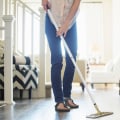
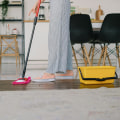
- Mop Floors: Mopping hard floors weekly helps remove stubborn stains and keeps your home looking fresh.
- Laundry Day: Set aside a specific day for laundry to ensure that clothes are washed, dried, and put away regularly.
Monthly Cleaning Tasks
- Window Washing: Clean windows inside and out to let in more natural light and improve the overall appearance of your home.
- Appliance Maintenance: Check and clean appliances like the refrigerator coils and oven to ensure they operate efficiently.
- Declutter Spaces: Spend time each month decluttering areas like closets or storage spaces to keep them organized.
- Deep Clean Carpets: Consider professional cleaning or renting a carpet cleaner monthly to maintain the quality of your carpets.
Not only does it promote consistency in maintaining cleanliness, but it also reduces stress by breaking down overwhelming tasks into smaller, manageable ones. Additionally, a clean home contributes significantly to your overall health by minimizing allergens, bacteria, and other harmful substances. By committing to a structured cleaning routine, you can enjoy a healthier living environment while also saving time in the long run.
Essential Cleaning Supplies: What You Need for Effective Cleaning
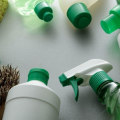
To achieve a thorough and effective cleaning of your home, having the right cleaning supplies is essential. A well-stocked cleaning arsenal not only enhances your efficiency but also ensures that you tackle every corner of your home with the appropriate tools and products.Below is a comprehensive checklist of must-have cleaning supplies that will help you maintain a clean and healthy living environment.
- All-Purpose Cleaner: This versatile product can be used on various surfaces, making it a staple in any cleaning kit. Look for eco-friendly options that are safe for both your family and the environment.
- Glass Cleaner: For streak-free windows and mirrors, a good glass cleaner is indispensable. Consider using a microfiber cloth to avoid lint and achieve a polished finish.
- Disinfectant Wipes or Spray: These are crucial for sanitizing high-touch areas such as doorknobs, light switches, and countertops. Choose products that kill 99.9% of germs to ensure maximum protection.
- Floor Cleaner: Depending on your flooring type, select a cleaner specifically designed for hardwood, tile, or carpet.
This will help maintain the integrity of your floors while keeping them spotless.
- Microfiber Cloths: These cloths are excellent for dusting and wiping surfaces without scratching them. They are reusable and can be washed, making them an eco-friendly choice.
- Broom and Dustpan: A basic yet essential tool for keeping floors free from dirt and debris. Pair it with a mop for a complete floor cleaning solution.
- Vacuum Cleaner: Invest in a quality vacuum that suits your home’s needs, whether you have carpets, hardwood floors, or pets. Regular vacuuming helps reduce allergens and keeps your home fresh.
- Sponge and Scrub Brushes: For tougher stains and grime, having a variety of sponges and scrub brushes will make your cleaning tasks easier.
Look for non-scratch options for delicate surfaces.
- Rubber Gloves: Protect your hands from harsh chemicals and dirt by wearing rubber gloves while cleaning. This also helps prevent skin irritation.
Room-by-Room Cleaning Tips for a Thorough Job
Cleaning your home thoroughly requires a strategic approach, especially when it comes to different rooms that have unique cleaning needs. Here’s a detailed guide to ensure you cover every corner of your home effectively.Living Room
The living room is often the heart of the home, so keeping it clean is essential.Start by decluttering surfaces such as coffee tables and shelves. Use a microfiber cloth to dust electronics, furniture, and decorative items. For upholstery, vacuum thoroughly and consider using a fabric cleaner for any stains. Don’t forget to clean under cushions and behind furniture where dust tends to accumulate.
Kitchen
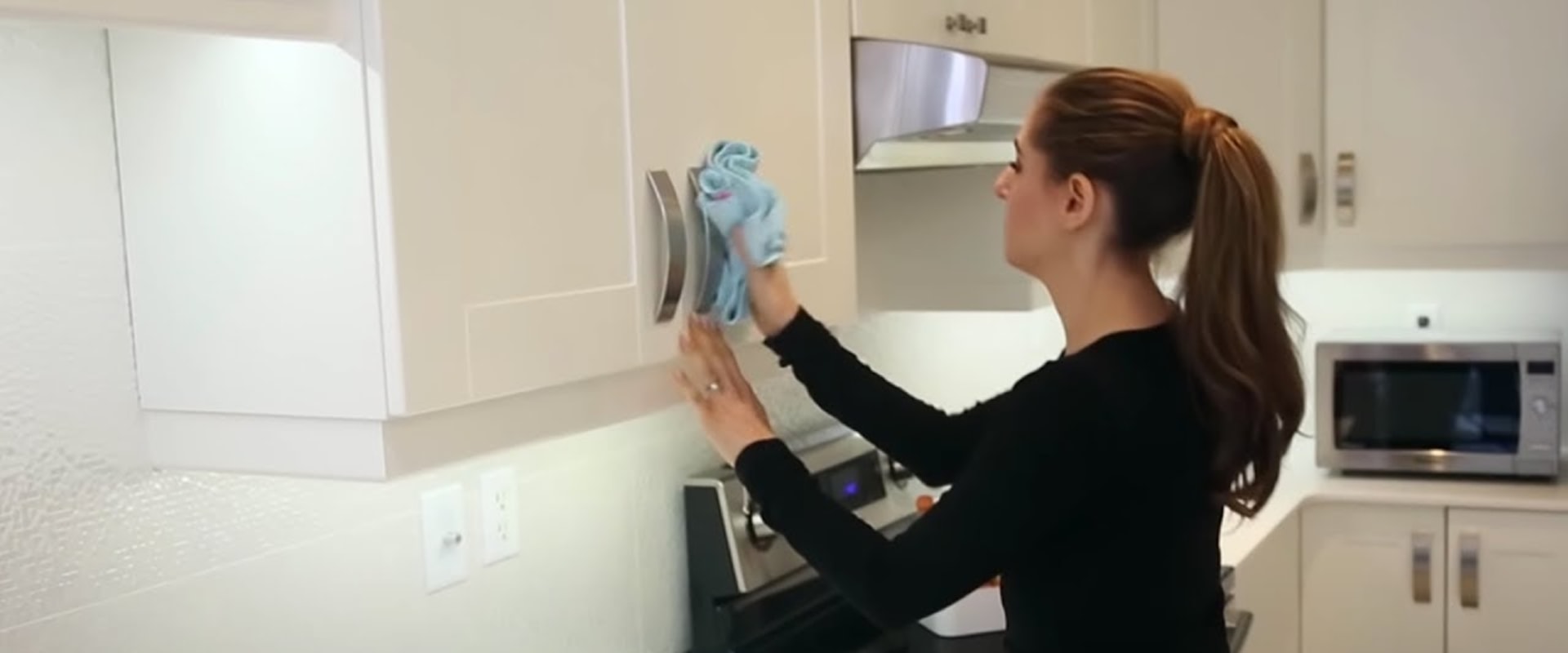
The kitchen requires special attention due to food preparation activities.Begin by wiping down countertops with a disinfectant cleaner. Pay close attention to high-touch areas like cabinet handles and light switches. Clean appliances such as the microwave, oven, and refrigerator inside and out. For the sink, use a non-abrasive cleaner to remove stains and sanitize the area.
Finally, mop the floor with a suitable floor cleaner to eliminate any spills or crumbs.
Bathroom
Bathrooms can harbor germs if not cleaned regularly. Start by removing all items from countertops and shelves. Use a bathroom cleaner on sinks, tubs, and toilets, allowing it to sit for a few minutes before scrubbing. Don’t forget to clean mirrors with glass cleaner for a streak-free shine.Replace towels and mats regularly, and ensure that you mop the floor to remove any soap scum or water spots.
Bedrooms
In bedrooms, focus on bedding first. Wash sheets and pillowcases weekly to maintain hygiene. Dust all surfaces including nightstands and dressers with a microfiber cloth. Vacuum carpets or rugs thoroughly, paying attention to corners where dust bunnies can hide.If you have curtains, consider washing or vacuuming them as well.
Home Office
Your home office should be a clean and organized space for productivity. Start by decluttering your desk; remove unnecessary papers and items. Wipe down your desk with disinfectant wipes, especially on high-touch areas like keyboards and mice. Organize cables and ensure that your workspace is free from dust by vacuuming or using a duster.By following these room-specific cleaning tips, you can ensure that every area of your home is not only clean but also contributes positively to your overall health and well-being.The Importance of Decluttering Before Cleaning
Before diving into the cleaning process, it’s crucial to understand the significance of decluttering.Not only does decluttering create a more organized space, but it also enhances the efficiency and effectiveness of your cleaning efforts. When surfaces are clear of unnecessary items, you can clean more thoroughly and quickly.
Why Declutter Before Cleaning?
- Improved Efficiency: When you declutter, you eliminate distractions and obstacles that can slow down your cleaning process. A tidy space allows you to focus on the actual cleaning tasks without having to navigate around clutter.
- Enhanced Cleanliness: Dust and dirt tend to accumulate on surfaces that are cluttered. By removing excess items, you expose more areas to be cleaned, ensuring a deeper clean.
- Better Mental Clarity: A clutter-free environment can lead to reduced stress and anxiety.
When your space is organized, it promotes a sense of calm, making the cleaning process feel less daunting.
Practical Decluttering Tips
- Start Small: Begin with one room or even a single area within a room. This makes the task less overwhelming and allows for a sense of accomplishment as you complete each section.
- Use the Four-Box Method: Label four boxes as Keep, Donate, Trash, and Relocate. As you go through items, place them in the appropriate box. This method helps streamline decision-making.
- Set a Timer: Allocate a specific amount of time for decluttering—say 15 or 30 minutes.
This creates urgency and helps maintain focus, preventing procrastination.
- Be Ruthless: If you haven’t used an item in the past year, consider whether it’s worth keeping. Ask yourself if it adds value to your life or if it’s just taking up space.
- Create a Regular Schedule: Make decluttering a regular part of your routine. Set aside time weekly or monthly to reassess your belongings and keep clutter at bay.
Incorporating Eco-Friendly Cleaning Practices
Incorporating eco-friendly cleaning practices into your home not only promotes a healthier living environment but also contributes positively to the planet.By choosing green cleaning products and methods, you can significantly reduce your exposure to harmful chemicals while also minimizing your ecological footprint.
Benefits of Eco-Friendly Cleaning
- Healthier Indoor Air Quality: Traditional cleaning products often contain volatile organic compounds (VOCs) that can lead to respiratory issues and other health problems. Eco-friendly alternatives are typically free from these harmful substances, resulting in cleaner air in your home.
- Safer for Children and Pets: If you have young children or pets, using non-toxic cleaning products is crucial. Many eco-friendly cleaners are made from natural ingredients that are safe for all family members.
- Environmental Impact: By opting for biodegradable and sustainable cleaning products, you help reduce pollution and waste. Many eco-friendly brands focus on sustainable sourcing and packaging, which further lessens their environmental impact.
- Cost-Effective Solutions: Many eco-friendly cleaning solutions can be made at home using common household items like vinegar, baking soda, and lemon juice.
This not only saves money but also reduces the need for multiple specialized products.
Eco-Friendly Cleaning Tips
- Choose Natural Ingredients: Look for products that list natural ingredients on their labels. Ingredients like vinegar, baking soda, and essential oils can effectively clean surfaces without harmful side effects.
- Make Your Own Cleaners: Consider DIY cleaning solutions. For example, a mixture of vinegar and water can serve as an excellent all-purpose cleaner, while baking soda can tackle tough stains.
- Use Reusable Cleaning Tools: Invest in microfiber cloths and reusable mop pads instead of disposable options. This not only cuts down on waste but also provides effective cleaning without the need for harsh chemicals.
- Opt for Concentrated Products: When purchasing commercial green cleaners, choose concentrated versions that require less packaging and reduce transportation emissions.
Making small changes today can lead to significant improvements in both your home environment and the planet's well-being.
Maintaining Indoor Air Quality Through Regular Cleaning
Maintaining a clean home is not just about aesthetics; it plays a crucial role in enhancing indoor air quality. Regular cleaning can significantly reduce the presence of allergens, dust, and pollutants that accumulate over time, leading to a healthier living environment.One of the primary benefits of regular house cleaning is the reduction of common allergens such as dust mites, pet dander, and mold spores. These allergens can trigger respiratory issues and exacerbate conditions like asthma and allergies. By implementing a consistent cleaning routine, you can minimize these irritants and promote better health outcomes for you and your family.Effective Cleaning Strategies for Improved Air Quality
- Vacuum Regularly: Use a vacuum cleaner equipped with a HEPA filter to trap fine particles that can pollute the air.
Aim to vacuum high-traffic areas at least once a week.
- Dust Surfaces: Dusting surfaces with a damp cloth helps to capture dust rather than just moving it around. Pay special attention to shelves, electronics, and ceiling fans.
- Wash Fabrics: Regularly wash curtains, pillow covers, and bedding in hot water to eliminate dust mites and allergens. Consider using allergen-proof covers on pillows and mattresses.
- Maintain Humidity Levels: Keeping indoor humidity between 30% and 50% can help prevent mold growth. Use dehumidifiers in damp areas like basements or bathrooms.
- Air Purifiers: Invest in air purifiers with HEPA filters to further enhance air quality.
These devices can effectively remove airborne particles, including smoke, pollen, and pet dander.
Common Mistakes to Avoid When Cleaning Your Home
Cleaning your home can be a daunting task, and many people unknowingly fall into common traps that hinder their efforts.By identifying these frequent mistakes, you can adopt more effective cleaning strategies that not only save time but also enhance the overall cleanliness of your living space.
- Neglecting High-Traffic Areas: One of the most common cleaning errors is overlooking high-traffic zones such as entryways, living rooms, and kitchens. These areas accumulate dirt and grime quickly. To combat this, focus on these spaces regularly, using a vacuum or mop to keep them pristine.
- Using the Wrong Cleaning Products: Many individuals use harsh chemicals that can damage surfaces or fail to eliminate germs effectively. Always read labels and choose products that are appropriate for the specific materials in your home.
For instance, use a gentle cleaner for wood surfaces and a stronger disinfectant for bathrooms.
- Cleaning from the Bottom Up: A common mistake is starting to clean from the floor and working upwards. This often results in dirt and dust falling onto already cleaned surfaces. Instead, begin at the top (ceiling fans, shelves) and work your way down to ensure that debris falls to areas you will clean last.
- Ignoring Dusting: Dusting is often an afterthought, yet it plays a crucial role in maintaining a healthy home. Dust can trigger allergies and respiratory issues.
Make it a habit to dust surfaces regularly, using microfiber cloths that trap dust rather than just moving it around.
- Overlooking Small Items: Small items like remote controls, light switches, and doorknobs are often neglected during cleaning sessions. These high-touch areas harbor germs and should be disinfected frequently. Incorporate them into your cleaning routine to minimize the spread of bacteria.
- Not Having a Cleaning Schedule: Without a structured plan, cleaning can become overwhelming. Create a cleaning schedule that divides tasks into daily, weekly, and monthly chores.
This approach not only keeps your home tidy but also makes cleaning feel less burdensome.
FAQs About House Cleaning and Health Benefits
When it comes to maintaining a clean home, many people have questions about the process and its impact on health. Here are some frequently asked questions that can help clarify the relationship between house cleaning and health benefits.What are the health benefits of regular house cleaning?
Regular house cleaning can significantly improve your overall health. A clean home reduces allergens such as dust, mold, and pet dander, which can trigger respiratory issues and allergies.Additionally, a tidy environment can lower stress levels, contributing to better mental health. Studies have shown that individuals living in clutter-free spaces often report feeling more relaxed and focused.
How often should I clean my home?
The frequency of cleaning depends on various factors, including the size of your home, the number of occupants, and lifestyle habits. However, a general guideline is:- Daily: Tidy up common areas, wash dishes, and make beds.
- Weekly: Vacuum carpets, mop floors, and clean bathrooms.
- Monthly: Dust surfaces, clean windows, and organize closets.
Can cleaning products affect my health?
Yes, some cleaning products contain harsh chemicals that can be harmful if inhaled or absorbed through the skin. To minimize health risks, consider using eco-friendly or natural cleaning products.Always read labels and follow safety instructions to ensure proper use.
What are some tips for effective house cleaning?
To ensure a thorough cleaning job:- Create a checklist to cover all areas of your home.
- Use the right tools and products for each task.
- Work from top to bottom to avoid re-cleaning areas.
- Involve family members to share the workload.
Is it worth hiring professional cleaners?
If you find it challenging to maintain cleanliness due to time constraints or physical limitations, hiring professional cleaners can be a worthwhile investment. They have the expertise and equipment to ensure a deep clean that promotes a healthier living environment.By addressing these common queries about house cleaning and its health benefits, you can make informed decisions that enhance both your home’s cleanliness and your well-being.Conclusion: Embracing a Cleaner Home for Better Health
In conclusion, maintaining a clean home is not merely about aesthetics; it plays a crucial role in promoting overall health and well-being. As we have explored throughout this article, the health benefits of regular house cleaning extend far beyond the surface. A clean environment can significantly reduce allergens, bacteria, and other harmful pathogens that can lead to respiratory issues and other health problems.By implementing effective cleaning strategies, such as creating a structured cleaning schedule and utilizing the right tools and products, you can ensure that every corner of your home is addressed.This not only enhances the cleanliness of your living space but also contributes to a healthier lifestyle for you and your family.Moreover, the psychological benefits of a tidy home cannot be overlooked. A clean environment fosters a sense of calm and order, which can reduce stress levels and improve mental clarity. When your home is organized and free from clutter, it allows for better focus on daily tasks and responsibilities.To summarize, here are some key takeaways:
- Regular cleaning helps eliminate dust, mold, and allergens that can affect respiratory health.
- Establishing a cleaning routine can make the process more manageable and less overwhelming.
- Using appropriate cleaning products ensures that you are effectively tackling dirt without introducing harmful chemicals into your home.
- A clean home promotes mental well-being , creating a peaceful environment conducive to relaxation and productivity.
So roll up your sleeves, gather your cleaning supplies, and start reaping the numerous benefits that come with a thorough house cleaning routine.