Deep cleaning your home is not just about aesthetics; it plays a crucial role in maintaining a healthy living environment. Unlike regular cleaning, which often focuses on surface-level tidiness, deep cleaning delves into the hidden corners and crevices of your home, targeting dust, allergens, and bacteria that accumulate over time. This thorough approach is essential for ensuring that your home remains a safe haven for you and your family.The health benefits of regular house cleaning are profound. A clean home can significantly reduce the risk of respiratory issues, allergies, and other health problems caused by dust mites, mold, and pet dander.
By eliminating these irritants through deep cleaning, you not only enhance the air quality in your home but also promote overall well-being. Furthermore, a clean environment can lead to improved mental health; studies have shown that cluttered spaces can contribute to stress and anxiety. Thus, engaging in deep cleaning can be a therapeutic activity that fosters a sense of control and peace.Understanding the importance of deep cleaning goes beyond mere hygiene; it is about creating a nurturing space where you can thrive. Regularly scheduled deep cleans can help preserve the integrity of your home’s surfaces and furnishings, extending their lifespan and saving you money in the long run.
Additionally, it allows you to identify potential maintenance issues before they escalate into costly repairs. In essence, deep cleaning is an investment in both your health and your home.
Creating a Safe Cleaning Environment
Creating a safe environment for deep cleaning is essential to ensure not only the effectiveness of your efforts but also your health and safety. Here are some key practices to consider:- Ensure Proper Ventilation: Before you begin cleaning, open windows and doors to allow fresh air to circulate throughout your home. This is particularly important when using strong cleaning agents that may release harmful fumes.
If possible, use fans to help direct airflow and further enhance ventilation.
- Organize Your Cleaning Space: Clear the areas you plan to clean of any clutter. This not only makes the cleaning process more efficient but also reduces the risk of accidents. Ensure that pathways are clear to prevent tripping hazards.
- Use Safe Cleaning Products: Opt for non-toxic, eco-friendly cleaning supplies whenever possible. Read labels carefully to avoid products containing harmful chemicals.
If you must use stronger cleaners, consider wearing gloves and a mask to minimize exposure.
- Prepare Your Cleaning Gear: Equip yourself with the right tools for the job. Use microfiber cloths, mops, and vacuum cleaners with HEPA filters to effectively trap dust and allergens. Ensure that all equipment is in good working condition to avoid accidents.
- Limit Exposure to Allergens: During deep cleaning, dust and allergens can become airborne. To mitigate this, consider wearing a mask designed for allergy sufferers or those sensitive to dust.
This will help protect your respiratory health while you clean.
- Take Breaks: Deep cleaning can be physically demanding. Schedule regular breaks to rest and hydrate, especially if you are working in a warm environment. This will help prevent fatigue and keep you focused on maintaining a safe cleaning atmosphere.
Understanding Cleaning Products: Reading Labels and Instructions
When it comes to maintaining a clean and healthy home, understanding the cleaning products you use is crucial.Many household cleaners contain chemicals that can pose health risks if not used properly. Therefore, reading labels and understanding the ingredients in these products is essential for ensuring safety during your deep cleaning sessions.
Why Reading Labels Matters
Cleaning product labels provide vital information about the contents and safe usage of the product. They often include:
- Active Ingredients: These are the chemicals responsible for the cleaning action. Knowing what they are can help you avoid allergens or irritants.
- Safety Warnings: Look for symbols or phrases indicating potential hazards, such as flammability or toxicity.
- Usage Instructions: Proper application methods can prevent accidents and ensure effectiveness.
- First Aid Measures: In case of accidental exposure, knowing how to respond can be lifesaving.
Choosing Safer Alternatives
If you find that certain cleaning products contain harsh chemicals, consider opting for safer alternatives.
Many brands now offer eco-friendly or non-toxic options that are just as effective without the associated risks. Here are some tips for selecting safer cleaning supplies:
- Look for Natural Ingredients: Products made from plant-based ingredients are often less harmful to both your health and the environment.
- Avoid Fragrances: Synthetic fragrances can trigger allergies and respiratory issues. Choose unscented or naturally scented products instead.
- Check for Certifications: Look for labels from organizations that certify products as safe and environmentally friendly.
Safe Use of Cleaning Supplies
Even with safe products, proper usage is key to minimizing risks. Always follow the instructions on the label, including recommended dilution ratios and application methods.
Additionally, ensure adequate ventilation by opening windows or using fans while cleaning to disperse any fumes. If you're mixing different cleaning agents, be cautious; some combinations can produce harmful gases.By taking the time to read labels and choose safer alternatives, you not only protect your health but also contribute to a cleaner environment. This knowledge empowers you to make informed decisions about the products you bring into your home, enhancing both your safety and well-being during deep cleaning tasks.
Effective Techniques for Deep Cleaning Safely
When it comes to deep cleaning your home, employing effective techniques not only enhances the cleanliness of your space but also ensures your safety throughout the process. Here are some practical tips and methods to help you deep clean various areas of your home safely.Preparation is Key
Before diving into the cleaning process, take a moment to prepare your environment:- Gather Supplies: Collect all necessary cleaning supplies, including gloves, masks, microfiber cloths, mops, and appropriate cleaning solutions.
Ensure that you have everything on hand to minimize interruptions.
- Read Labels: Always read the labels on cleaning products. Understanding the ingredients and safety precautions can prevent harmful reactions and ensure you use them correctly.
- Ventilation: Open windows and doors to create airflow. Proper ventilation helps disperse fumes from cleaning agents, reducing inhalation risks.
Systematic Cleaning Approach
Adopting a systematic approach can make deep cleaning more efficient:- Room-by-Room Focus: Tackle one room at a time. This prevents feeling overwhelmed and allows for thorough cleaning without distractions.
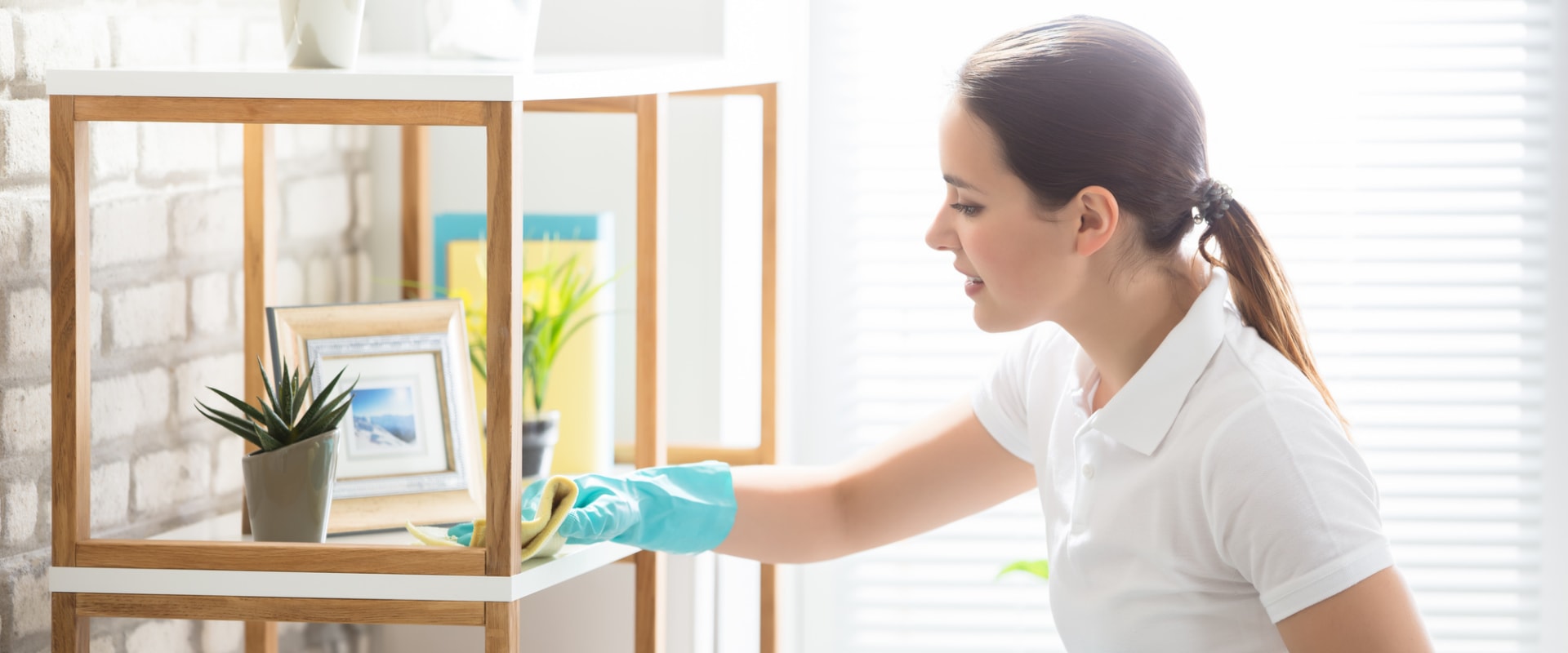
- Top to Bottom Method: Start from the highest surfaces, such as ceiling fans and shelves, and work your way down.
This technique ensures that dust and debris fall to lower surfaces, which you can clean afterward.
- Use Appropriate Tools: For hard-to-reach areas, consider using tools like extendable dusters or attaching a microfiber cloth to a broom. This helps you clean high spots without risking falls or injuries.
Avoiding Common Pitfalls
While deep cleaning can be rewarding, it’s essential to avoid common pitfalls that could lead to accidents:- Avoid Overexertion: Deep cleaning can be physically demanding. Take breaks as needed and stay hydrated to prevent fatigue.
- Be Cautious with Chemicals: Some cleaning products can be hazardous when mixed. Never combine bleach with ammonia or other cleaners unless specified safe on the label.
- Secure Loose Items: Before starting, remove or secure any loose items in the area you’re cleaning.
This prevents tripping hazards and protects your belongings from accidental damage.
When to Consider Professional Help for Deep Cleaning
While many homeowners take pride in their ability to maintain a clean living space, there are times when enlisting the help of professional cleaning services becomes not just beneficial, but necessary. Understanding when to hire cleaners can save you time, effort, and even health risks associated with deep cleaning.1.Health Concerns
If you or a family member suffers from allergies, asthma, or other respiratory issues, deep cleaning can stir up dust and allergens that may exacerbate these conditions. In such cases, hiring professionals who are trained in safe cleaning practices can ensure that your home is cleaned thoroughly without compromising your health.
They have access to specialized equipment and eco-friendly products that minimize airborne particles.
2.Time Constraints
In our fast-paced lives, finding the time to perform a comprehensive deep clean can be challenging. If your schedule is packed with work commitments, family obligations, or other responsibilities, it may be more practical to hire a professional service. This allows you to focus on what matters most while ensuring your home remains clean and healthy.
3.Lack of Expertise
Deep cleaning involves more than just surface-level tidying; it requires knowledge of various cleaning techniques and products suitable for different surfaces. If you're unsure about how to tackle certain areas—like carpets, upholstery, or delicate fixtures—professional cleaners bring expertise that can prevent damage and ensure a thorough job.
4.Large Spaces or Heavy Clutter
If your home is particularly large or cluttered, the task of deep cleaning can feel overwhelming.
Professionals are equipped to handle extensive spaces efficiently and can often complete the job in a fraction of the time it would take an individual homeowner. They also have the manpower and tools necessary to manage heavy items and hard-to-reach areas.
5.Special Events or Seasonal Cleaning
Before hosting a special event or during seasonal transitions, a deep clean can make a significant difference in the overall ambiance of your home. Hiring professionals for these occasions ensures that every corner is addressed, leaving you free to enjoy the event without worrying about last-minute cleaning tasks.
Benefits of Hiring Professionals
- Thoroughness: Professionals follow a systematic approach that covers all areas of your home.
- Safety: They use appropriate safety gear and techniques to handle potentially hazardous materials.
- Efficiency: Trained teams can complete tasks faster than an individual working alone.
- Peace of Mind: Knowing that experts are handling your cleaning needs allows you to relax and focus on other priorities.
Maintaining a Clean Home: Long-Term Health Benefits
Maintaining a clean home is not just about aesthetics; it plays a crucial role in promoting long-term health benefits.Regular house cleaning can significantly impact your physical and mental well-being, creating a healthier living environment for you and your family.One of the most immediate health advantages of consistent cleaning is the reduction of allergens. Dust mites, pet dander, and mold can accumulate in various areas of your home, leading to respiratory issues and allergies. By regularly dusting surfaces, vacuuming carpets, and washing bedding, you can minimize these irritants and improve indoor air quality.Moreover, a clean home can help prevent the spread of germs and bacteria. High-touch surfaces such as doorknobs, light switches, and countertops are breeding grounds for pathogens.
Regularly disinfecting these areas can reduce the risk of illnesses, especially during cold and flu season. This proactive approach not only protects your health but also that of your loved ones.In addition to physical health benefits, maintaining cleanliness can have profound effects on mental well-being. A clutter-free environment promotes a sense of calm and order, reducing stress levels. Studies have shown that individuals who live in organized spaces tend to experience lower anxiety levels and improved focus.
The act of cleaning itself can also be therapeutic; it provides a sense of accomplishment and control over your surroundings.Furthermore, regular cleaning helps preserve the integrity of your home’s structure and furnishings. Dust and grime can lead to deterioration over time, affecting everything from paint to appliances. By investing time in routine cleaning, you not only enhance your living space but also extend the lifespan of your belongings.To reap these long-term health benefits, consider establishing a consistent cleaning schedule that includes daily, weekly, and monthly tasks. This approach ensures that every area of your home receives attention without overwhelming you.
For instance:
- Daily: Tidy up common areas, wash dishes, and wipe down kitchen counters.
- Weekly: Vacuum carpets, mop floors, and clean bathrooms.
- Monthly: Dust hard-to-reach places, clean windows, and declutter storage spaces.
FAQs About Safety Precautions in Deep Cleaning
When it comes to deep cleaning your home, safety should always be a top priority. Here are some frequently asked questions regarding safety precautions during this essential task:What personal protective equipment (PPE) should I wear while deep cleaning?
It is advisable to wear gloves , masks , and sometimes even goggles when using strong cleaning agents.Gloves protect your skin from harsh chemicals, masks help prevent inhalation of dust and fumes, and goggles shield your eyes from splashes.
How can I ensure proper ventilation while cleaning?
To maintain good air quality, open windows and doors to allow fresh air to circulate. You can also use fans to help disperse any lingering chemical odors. If possible, take breaks outside to breathe in fresh air.Are there specific cleaning products I should avoid?
Avoid mixing different cleaning products, especially those containing bleach and ammonia, as this can create toxic fumes. Always read the labels for safety warnings and follow the manufacturer's instructions for use.What should I do if I accidentally spill a cleaning product?
If you spill a cleaning product, immediately follow the instructions on the label for cleanup.If it’s a hazardous material, ensure you have proper ventilation and wear gloves while cleaning it up. In case of skin contact or ingestion, seek medical attention promptly.
How can I safely clean high or hard-to-reach areas?
For high places, use a sturdy step ladder instead of standing on furniture. When cleaning ceiling fans or light fixtures, turn them off first to avoid accidents. Consider using extendable tools like dusters or mops with microfiber cloths attached for hard-to-reach spots.Is it safe to deep clean if I have allergies or respiratory issues?
If you have allergies or respiratory conditions, consult with your doctor before deep cleaning.Opt for non-toxic , hypoallergenic cleaning products and ensure that your space is well-ventilated throughout the process.By addressing these common questions about safety precautions during deep cleaning, you can create a safer environment for yourself and your family while reaping the health benefits of a clean home.
Conclusion: Prioritizing Safety in Your Deep Cleaning Routine
In conclusion, prioritizing safety during your deep cleaning routine is essential for maintaining a healthy home environment. As we have discussed, the act of deep cleaning not only enhances the aesthetic appeal of your living space but also significantly contributes to your overall health by reducing allergens, dust, and harmful bacteria. However, without proper safety precautions, the process can pose risks that may outweigh its benefits.To ensure a safe deep cleaning experience, it is crucial to:- Wear Protective Gear: Always equip yourself with gloves and masks to shield your skin and respiratory system from harsh chemicals and allergens.
- Ensure Proper Ventilation: Open windows and doors to allow fresh air to circulate, minimizing exposure to fumes from cleaning products.
- Read Labels Carefully: Familiarize yourself with the instructions and safety warnings on cleaning product labels to avoid potential hazards.
- Organize Your Cleaning Supplies: Keep all cleaning materials in a designated area to prevent accidents and ensure you have everything you need at hand.
- Plan Your Cleaning Schedule: Break down tasks into manageable segments to avoid fatigue and reduce the risk of accidents.
If the task feels overwhelming or if you have specific health concerns, consider enlisting the help of professional cleaning services like SURECLEAN. Their expertise can ensure that your home is cleaned thoroughly while adhering to safety standards.Ultimately, making safety a priority during your deep cleaning routine will lead to a healthier home environment, allowing you to enjoy the numerous health benefits associated with regular house cleaning. Embrace these practices as part of your routine, and you will not only achieve a cleaner home but also peace of mind knowing that you are taking care of your health and well-being.