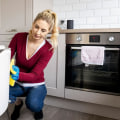
As the seasons change and the days grow longer, many people feel an innate urge to refresh their living spaces. This phenomenon is often referred to as spring cleaning , a time-honored tradition that goes beyond mere tidying up. It involves a comprehensive and meticulous approach to cleaning that targets areas of the home typically overlooked during regular cleaning routines. From scrubbing baseboards to decluttering closets, spring cleaning serves as an opportunity to rejuvenate not only your home but also your mental well-being.On the other hand, deep cleaning is a more intensive process that can be performed at any time of the year.
It focuses on eliminating dirt, allergens, and bacteria from every corner of your home. While spring cleaning is often associated with the arrival of warmer weather, deep cleaning can be scheduled whenever you feel your living environment needs a thorough refresh. Both practices share a common goal: to create a healthier and more inviting space for you and your loved ones.The health benefits of regular house cleaning cannot be overstated. A clean home reduces allergens such as dust mites, mold, and pet dander, which can significantly improve indoor air quality.
Furthermore, engaging in these cleaning rituals can have positive effects on mental health by reducing stress and promoting a sense of accomplishment. As you tackle each room, you not only enhance your physical environment but also cultivate a more peaceful state of mind.In this article, we will delve deeper into the definitions and significance of both spring and deep cleaning. We will explore how these practices contribute to a healthier lifestyle and provide practical tips for incorporating them into your routine. Whether you're preparing for spring or simply looking to maintain a clean home year-round, understanding the importance of these cleaning methods will empower you to create a space that supports your well-being.
What is Spring Cleaning?
Spring cleaning is a time-honored tradition that signifies more than just a thorough cleaning of your home; it represents a fresh start and an opportunity to rejuvenate your living space.Typically undertaken in the spring months, this practice involves a comprehensive cleaning of areas that are often neglected during regular cleaning routines. The essence of spring cleaning lies in its ability to create a healthier environment by eliminating dust, allergens, and clutter that accumulate over time.Unlike routine cleaning, which may focus on surface-level tasks such as vacuuming and dusting, spring cleaning dives deeper into the nooks and crannies of your home. This includes tasks such as:
- Washing windows inside and out to let in more natural light.
- Cleaning kitchen appliances , including the oven, refrigerator, and microwave, to remove built-up grime.
- Scrubbing floors thoroughly, including under furniture and behind appliances.
- Dusting ceiling fans and light fixtures that often go unnoticed.
- Organizing closets and storage spaces to declutter and donate items no longer needed.
- Deep-cleaning carpets or rugs to remove stains and allergens.
- Living Areas:
- Dust all surfaces, including shelves and baseboards.
- Cleans windows and window treatments.
- Vacuum upholstery and clean under cushions.
- Kitchen:
- Clean out the refrigerator and pantry, discarding expired items.
- Wipe down cabinets and countertops.
- Sanitize sinks and faucets.
- Bathrooms:
- Scrub tiles and grout to remove mildew.
- Cleans mirrors and fixtures for a sparkling finish.
- Organize toiletries and discard unused products.
- Bedrooms:
- Launder bedding, including pillows and comforters.
- Rotate or flip mattresses for even wear.
- Cleans under the bed for hidden dust bunnies.
By dedicating time to this comprehensive cleaning process, you not only enhance the appearance of your home but also promote better air quality and reduce allergens. Embracing the tradition of spring cleaning can lead to a more organized, serene space that supports your overall well-being.
What is Deep Cleaning?
Deep cleaning is a comprehensive and meticulous approach to cleaning that goes beyond the surface level. Unlike regular cleaning, which typically involves routine tasks such as dusting, vacuuming, and mopping, deep cleaning focuses on areas that are often overlooked or neglected. This type of cleaning is essential for maintaining a healthy living environment, as it targets hidden dirt, allergens, and bacteria that can accumulate over time.To better understand deep cleaning, it’s helpful to compare it with spring cleaning.While both involve thorough cleaning, spring cleaning is often seasonal and may include decluttering and organizing in addition to deep cleaning tasks. Deep cleaning, on the other hand, can be performed at any time of the year and is more focused on sanitizing and disinfecting specific areas of the home.
Key Differences Between Deep Cleaning and Spring Cleaning
- Frequency: Deep cleaning can be done regularly (e.g., quarterly or biannually), while spring cleaning is typically an annual event.
- Focus: Deep cleaning emphasizes sanitation and thoroughness, whereas spring cleaning may also involve organizing and decluttering.
- Time Commitment: Deep cleaning often requires more time than regular cleaning but can be less time-consuming than a full spring clean.
Essential Deep Cleaning Tasks
When undertaking a deep clean, several specific tasks should be included to ensure a comprehensive approach:- Cleaning Appliances: This includes scrubbing the inside of ovens, refrigerators, and microwaves to remove built-up grime and food particles.
- Washing Walls and Baseboards: Dust and stains can accumulate on walls; washing them helps improve air quality.
- Deep Cleaning Carpets and Upholstery: Using steam cleaners or professional services can eliminate allergens trapped in fabrics.
- Sanitizing Bathrooms: This involves scrubbing tiles, grout, and fixtures to remove mold and mildew.
- Cleansing Air Ducts: Ensuring that air ducts are clean can significantly improve indoor air quality.
Health Benefits of Regular House Cleaning
Regular house cleaning offers a multitude of health benefits that extend beyond mere aesthetics.Engaging in consistent cleaning routines can significantly enhance both physical and mental well-being.
Physical Health Benefits
- Reduction of Allergens: Dust, pet dander, and mold can accumulate in your home, leading to respiratory issues and allergies. Regular cleaning helps to minimize these allergens, creating a healthier living environment.
- Prevention of Illness: A clean home reduces the risk of infections. Regularly disinfecting surfaces, especially in high-touch areas like kitchens and bathrooms, can help prevent the spread of germs and viruses.
- Improved Air Quality: Cleaning not only removes dust but also improves indoor air quality. Vacuuming carpets and upholstery, along with dusting surfaces, can help eliminate pollutants that may cause health problems.
Mental Health Benefits
- Stress Reduction: A cluttered and dirty environment can contribute to feelings of anxiety and stress.
By maintaining a clean home, you create a calming space that promotes relaxation and peace of mind.
- Enhanced Productivity: Studies have shown that a tidy environment can boost focus and productivity. When your surroundings are organized, it’s easier to concentrate on tasks without the distraction of clutter.
- Sense of Accomplishment: Completing cleaning tasks can provide a sense of achievement. This feeling can enhance your mood and motivate you to tackle other challenges in your life.
The Connection Between Cleanliness and Well-being
Maintaining a clean living environment is not just about aesthetics; it plays a crucial role in our overall well-being.The connection between cleanliness and health is profound, influencing both our physical and mental states. A tidy space can significantly enhance our quality of life, leading to improved mood and productivity.
Psychological Effects of Cleanliness
Research has shown that a clean environment can lead to reduced stress levels. When our surroundings are cluttered and disorganized, it can create feelings of anxiety and overwhelm. In contrast, a clean and orderly space promotes a sense of calm and control.
This psychological effect is often referred to as the "cleanliness effect," where individuals report feeling more relaxed and focused in tidy environments.Moreover, cleanliness can boost self-esteem. When we take the time to clean our homes, we are engaging in self-care, which can foster a positive self-image. The act of cleaning itself can be therapeutic, providing a sense of accomplishment and satisfaction once the task is completed.
Impact on Physical Health
A clean home is essential for maintaining good physical health. Dust, allergens, and bacteria can accumulate in unclean spaces, leading to respiratory issues and other health problems.
Regular cleaning helps to minimize these risks by removing harmful substances from our living areas.Furthermore, cleanliness encourages healthier habits. A tidy kitchen, for instance, makes it easier to prepare nutritious meals, while a clean living space can motivate individuals to engage in physical activities like yoga or exercise at home. This connection between a clean environment and healthy lifestyle choices cannot be overstated.
Stress Reduction Through Cleanliness
Engaging in regular cleaning routines can also serve as a form of stress relief. The repetitive motions involved in cleaning can be meditative, allowing individuals to clear their minds while focusing on the task at hand.
Additionally, the satisfaction derived from seeing immediate results—such as a sparkling countertop or organized closet—can provide a significant mood boost.In conclusion, the relationship between cleanliness and well-being is multifaceted. By prioritizing regular house cleaning, we not only create a healthier living environment but also enhance our mental health and overall quality of life. Embracing cleanliness as part of our routine can lead to lasting benefits that extend beyond the physical space we inhabit.
Creating an Effective Spring Cleaning Checklist
Creating a comprehensive spring cleaning checklist is essential for ensuring that no corner of your home is overlooked. A well-structured checklist not only helps you stay organized but also makes the cleaning process more manageable and efficient.Here are some steps to guide you in crafting an effective spring cleaning checklist.
1.Assess Your Space
- Begin by walking through each room in your home. Take note of areas that require special attention, such as dusty shelves, neglected corners, or appliances that haven’t been cleaned in a while.
- Consider the size of each room and the specific tasks that need to be accomplished. For example, kitchens may require deep cleaning of appliances, while bathrooms might need thorough scrubbing of tiles and fixtures.
2.Prioritize Tasks
- Once you have a list of tasks, prioritize them based on urgency and importance. Start with high-traffic areas like the living room and kitchen, where dirt and clutter tend to accumulate quickly.
- Consider tackling one room at a time to avoid feeling overwhelmed.
This approach allows you to focus your efforts and see progress more quickly.
3.Involve Family Members
- Spring cleaning can be a daunting task, but it doesn’t have to be a solo endeavor. Involve family members by assigning specific tasks based on their abilities and preferences.
- Create a fun atmosphere by playing music or turning it into a friendly competition to see who can clean their assigned area the fastest.
4.Include Essential Tasks
- Your checklist should include essential spring cleaning tasks such as:
- Dusting ceiling fans and light fixtures
- Wiping down baseboards and door frames
- Cleaning windows and window sills
- Deep cleaning carpets or rugs
- Organizing closets and storage spaces
- Don’t forget outdoor spaces! Include tasks like washing patio furniture, sweeping porches, and tidying up gardens.
5.Set Realistic Goals
- Avoid overwhelming yourself by setting realistic goals for each day of your spring cleaning project. Break down larger tasks into smaller, more manageable steps.
- This will help maintain motivation and ensure that you can complete your checklist without feeling rushed or stressed.
Tips for Successful Deep Cleaning
Deep cleaning your home can seem like a daunting task, but with the right strategies and tips, you can make the process more manageable and effective. Here are some practical tips to help you achieve a thorough deep clean:- Create a Cleaning Schedule: Before diving into deep cleaning, outline a schedule that breaks down tasks by room or area.
This will help you stay organized and ensure that no space is overlooked. Consider dedicating specific days to different rooms, allowing you to focus your efforts without feeling overwhelmed.
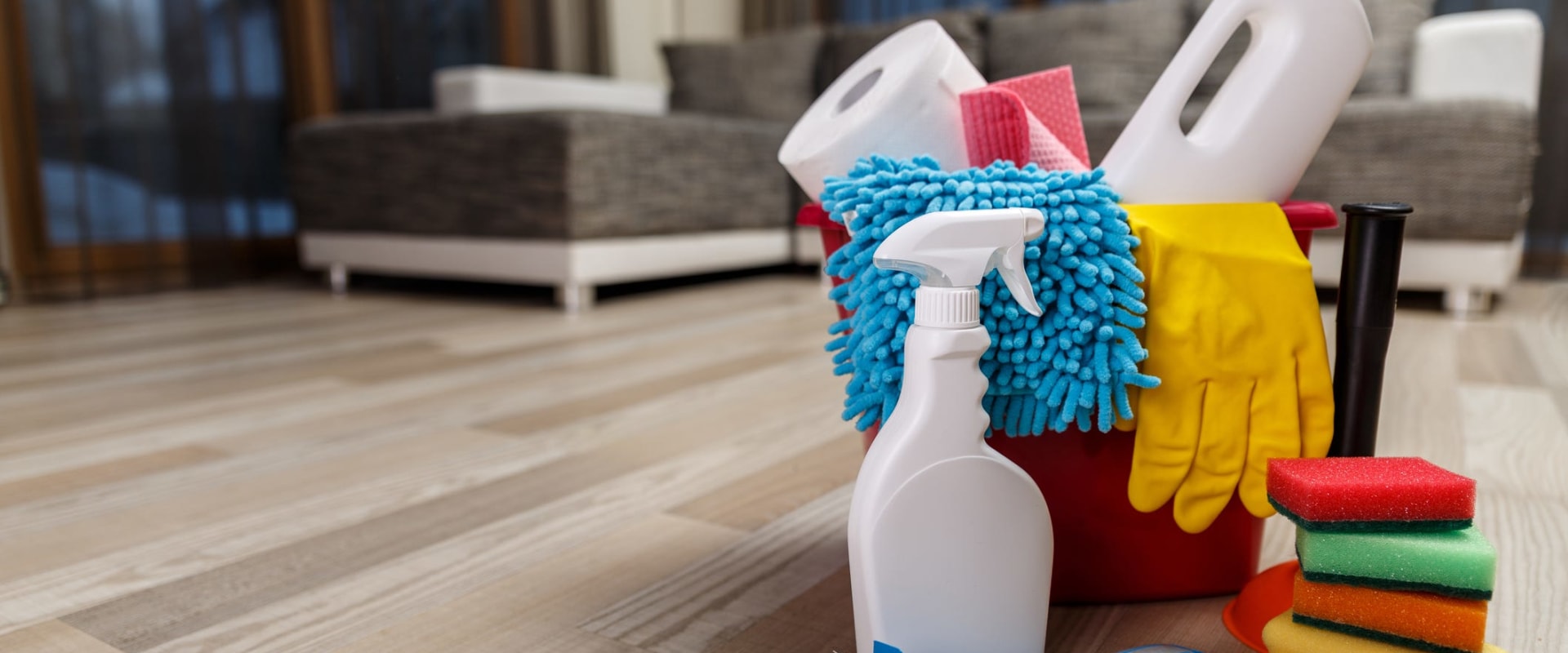
- Gather Your Supplies: Having all your cleaning supplies ready before you start is crucial. Stock up on essential items such as all-purpose cleaners, disinfectants, microfiber cloths, sponges, a vacuum cleaner, and a mop. Don’t forget to include specialized products for areas like the kitchen and bathroom.
- Declutter First: Before you start cleaning, take some time to declutter each room.
Remove items that don’t belong in the space and organize what’s left. This will not only make cleaning easier but also create a more pleasant environment.
- Work from Top to Bottom: When deep cleaning, always start at the top of the room and work your way down. Dust ceiling fans, light fixtures, and shelves first, then move on to furniture and finally the floors. This method prevents dust and debris from falling onto already cleaned surfaces.
- Focus on High-Traffic Areas: Pay special attention to areas that see a lot of foot traffic, such as entryways and living rooms.
These spaces often accumulate dirt and grime more quickly than others. Use a vacuum with a HEPA filter for carpets and rugs to capture allergens effectively.
- Don’t Forget Hidden Spots: Deep cleaning is about reaching those hidden spots that are often neglected during regular cleaning. Check behind appliances in the kitchen, under furniture in the living room, and inside cabinets and closets. These areas can harbor dust, allergens, and even pests.
- Use the Right Techniques: Different surfaces require different cleaning techniques.
For example, use a damp cloth for dusting electronics to avoid static buildup, while a vinegar solution can effectively clean glass surfaces without streaks. Always follow manufacturer instructions for any specialized cleaning products.
- Involve the Family: Deep cleaning can be a big job, so consider involving family members in the process. Assign tasks based on age and ability to make it a fun family activity while teaching everyone about the importance of maintaining a clean home.
Common Mistakes to Avoid During Spring and Deep Cleaning
Spring and deep cleaning can be a refreshing way to revitalize your home, but many people fall into common traps that can hinder their efforts.Understanding these pitfalls and how to avoid them can lead to a more effective and satisfying cleaning experience.
- Skipping Preparation: One of the most frequent mistakes is diving into cleaning without proper preparation. Before you start, gather all necessary supplies such as cleaning solutions, tools, and protective gear. This not only saves time but also ensures you have everything you need at hand.
- Neglecting High and Low Areas: Many individuals focus on visible surfaces while neglecting high corners and low areas. Dust accumulates in ceiling corners, light fixtures, and under furniture.
Make it a point to clean these often-overlooked spots to achieve a truly deep clean.
- Using the Wrong Cleaning Products: Not all surfaces require the same cleaning agents. Using harsh chemicals on delicate materials can cause damage. Always read labels and choose appropriate products for each surface type to avoid costly mistakes.
- Rushing the Process: Spring cleaning is not a race. Rushing through tasks can lead to missed spots and ineffective cleaning.
Take your time, focusing on one area at a time to ensure thoroughness.
- Ignoring Organization: Cleaning is not just about scrubbing surfaces; it’s also an opportunity to declutter. Failing to organize items as you clean can lead to chaos. Create designated areas for items you want to keep, donate, or discard.
- Overlooking Safety Precautions: Safety should always be a priority during deep cleaning. Ensure proper ventilation when using strong chemicals, and consider wearing gloves or masks if necessary.
This will protect your health while you work.
- Not Involving Others: Cleaning can be overwhelming if tackled alone. Involve family members or friends in the process. Assign specific tasks to make the job easier and more enjoyable.
FAQs About Spring and Deep Cleaning
When it comes to spring cleaning and deep cleaning, many homeowners have questions about the differences, benefits, and best practices.Here are some frequently asked questions that can help clarify these important cleaning processes.
What is the difference between spring cleaning and deep cleaning?
While both spring cleaning and deep cleaning involve thorough cleaning, they serve different purposes. Spring cleaning is typically an annual ritual that focuses on refreshing your home after winter. It includes tasks like washing windows, dusting blinds, and decluttering spaces. On the other hand, deep cleaning is a more intensive process that targets areas often overlooked in regular cleaning routines, such as behind appliances, inside cabinets, and under furniture.How often should I deep clean my home?
The frequency of deep cleaning can vary based on your lifestyle and household needs.However, it is generally recommended to perform a deep clean at least twice a year. If you have pets or allergies, you may want to consider deep cleaning more frequently to maintain a healthy living environment.
What are the health benefits of regular house cleaning?
- Reduces allergens: Regular cleaning helps eliminate dust, pet dander, and mold spores that can trigger allergies.
- Improves air quality: A clean home promotes better air circulation and reduces indoor pollutants.
- Enhances mental well-being: A tidy space can reduce stress and anxiety, contributing to overall mental health.
- Prevents pest infestations: Regular cleaning removes food particles and clutter that attract pests.
Can I do spring or deep cleaning myself?
Absolutely! Many homeowners choose to tackle spring and deep cleaning on their own. With a well-structured checklist and the right supplies, you can effectively clean your home. However, if you find the task overwhelming or time-consuming, hiring professional cleaners can be a worthwhile investment.What supplies do I need for effective spring or deep cleaning?
A successful spring or deep clean requires a variety of supplies:- Broom and mop: Essential for floors.
- Microfiber cloths: Great for dusting and wiping surfaces.
- All-purpose cleaner: Useful for various surfaces.
- Disinfectant: Important for sanitizing high-touch areas.
- Scrub brushes: Needed for tough stains in bathrooms and kitchens.
Conclusion: Embracing Cleanliness for Healthier Living Spaces
In conclusion, the significance of regular house cleaning extends far beyond mere aesthetics; it plays a crucial role in promoting a healthier living environment.Throughout this article, we have explored the myriad health benefits of regular house cleaning , emphasizing how a clean home can lead to improved physical and mental well-being.By engaging in consistent cleaning practices, you can effectively reduce allergens, dust, and harmful bacteria that may accumulate over time. This is particularly important for individuals with respiratory issues or allergies, as a clean space can significantly alleviate symptoms and enhance overall comfort. Moreover, maintaining cleanliness can help prevent the spread of illnesses, ensuring that your home remains a safe haven for you and your loved ones.Additionally, the psychological benefits of a tidy home cannot be overlooked. A clean and organized space fosters a sense of calm and control, which can reduce stress and anxiety levels.
When you take the time to declutter and deep clean your surroundings, you create an environment that promotes productivity and positivity.As we have discussed, spring cleaning and deep cleaning are essential practices that should not be relegated to just once a year. Instead, they should be integrated into your regular cleaning routine. By doing so, you not only enhance the longevity of your belongings but also cultivate a lifestyle that prioritizes health and well-being.To truly embrace cleanliness for healthier living spaces, consider implementing a structured cleaning schedule that includes both daily tasks and periodic deep cleaning sessions. Involve your family members in this process to make it more enjoyable and effective.
Remember, a clean home is not just about appearances; it is about creating a sanctuary where you can thrive.In summary, adopting regular house cleaning habits is an investment in your health. By prioritizing cleanliness, you are taking proactive steps towards ensuring a safer, more comfortable living environment for yourself and your family. So grab those cleaning supplies and start making cleanliness a cornerstone of your lifestyle!.