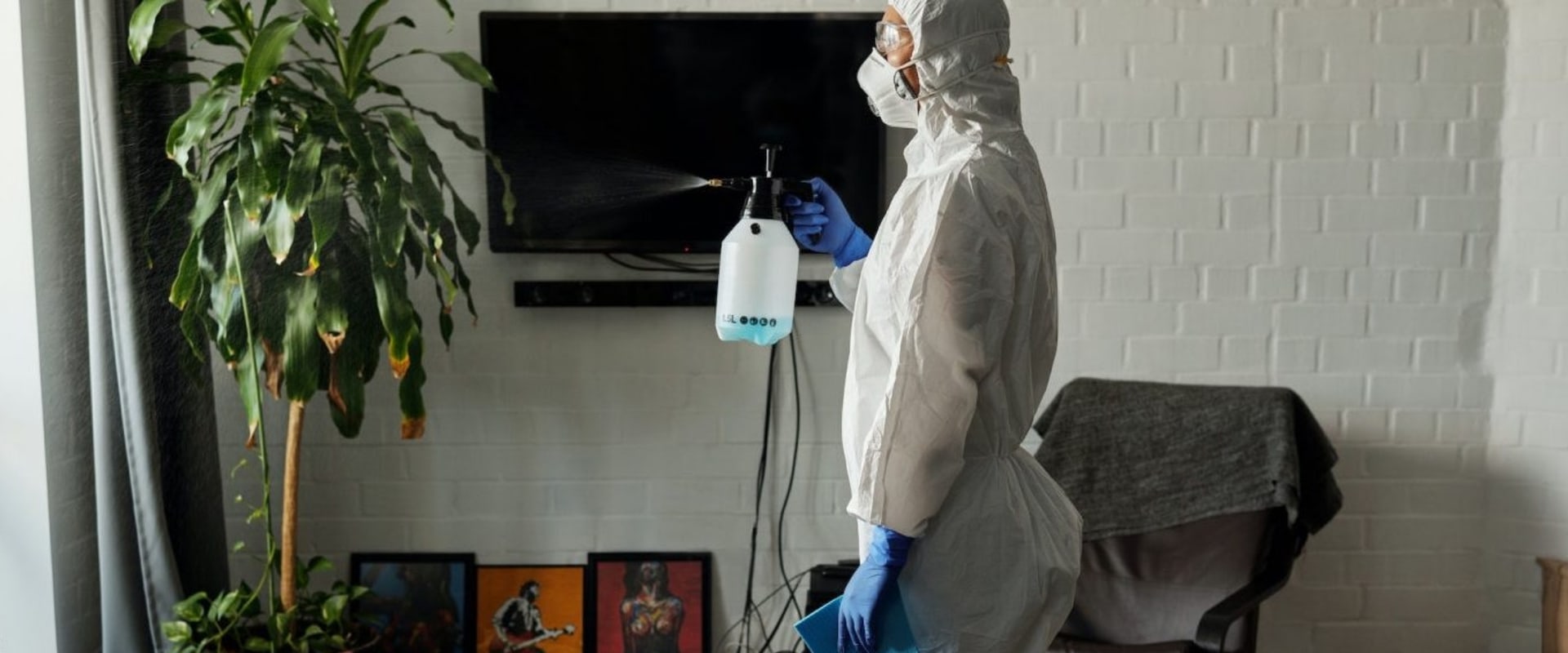
Maintaining a clean home is not just about aesthetics; it plays a crucial role in promoting a healthy living environment. Regular house cleaning significantly reduces the likelihood of pest infestations, which can lead to various health issues. Pests such as rodents, cockroaches, and ants thrive in cluttered and dirty spaces, where they find food, water, and shelter. By keeping your home tidy and organized, you effectively eliminate these inviting conditions that attract unwanted guests.One of the primary health benefits of regular house cleaning is the reduction of allergens and pathogens that pests can introduce into your living space.
For instance, cockroaches are known to trigger asthma and allergies in sensitive individuals. Their droppings, saliva, and body parts can become airborne and contribute to respiratory problems. By regularly cleaning surfaces, vacuuming carpets, and sanitizing areas where food is prepared or consumed, you minimize the risk of pest-related health issues.Moreover, a clean home not only deters pests but also enhances your overall well-being. The act of cleaning itself can be therapeutic, reducing stress and promoting a sense of accomplishment.
When you know that your living environment is free from clutter and potential pest habitats, you can enjoy peace of mind. This connection between cleanliness and mental health further emphasizes the importance of regular house cleaning as a preventive measure against pest infestations.In summary, understanding the relationship between cleanliness and pest control is essential for maintaining a healthy home. Regular cleaning routines not only keep pests at bay but also contribute to a healthier lifestyle by reducing allergens and improving mental well-being. As we delve deeper into this topic, we will explore specific cleaning practices that can enhance your home’s defenses against pests.
The Role of Clutter in Attracting Pests
Clutter in your home can be more than just an eyesore; it can also serve as a welcoming environment for pests.When spaces are filled with unnecessary items, they create numerous hiding spots that pests such as rodents, insects, and other unwanted critters can exploit. Understanding the relationship between clutter and pest attraction is crucial for maintaining a healthy living space.
How Clutter Attracts Pests
- Hiding Places: Clutter provides ample opportunities for pests to hide and nest. Boxes, stacks of magazines, and piles of clothes can create dark, undisturbed areas where pests feel safe from predators.
- Food Sources: Unattended clutter often includes food remnants or spills that attract pests. For instance, crumbs left on the floor or food containers not properly sealed can lure insects like ants and cockroaches.
- Moisture Retention: Clutter can trap moisture, creating a damp environment that is ideal for pests such as termites and mold mites.
Areas with high humidity levels are particularly appealing to these invaders.
Reducing Clutter to Prevent Pests
To effectively reduce the risk of pest infestations, it is essential to implement a decluttering strategy in your home. Here are some practical steps you can take:
- Regularly Assess Your Belongings: Go through your items periodically to determine what you truly need. Donate or discard items that are no longer useful.
- Organize Storage Areas: Use clear bins for storage to keep items visible and accessible. This not only helps you find things easily but also discourages pests from nesting in dark corners.
- Maintain Cleanliness: Regular cleaning routines should include decluttering as a key component.
Vacuuming and dusting help eliminate potential food sources and hiding spots for pests.
- Seal Entry Points: After decluttering, inspect your home for cracks or gaps where pests could enter. Sealing these entry points will further reduce the likelihood of infestations.
Deep Cleaning: A Proactive Approach to Pest Prevention
Deep cleaning is an essential practice that goes beyond regular tidying up; it serves as a proactive approach to pest prevention. By thoroughly cleaning your home, you can significantly reduce the likelihood of pest infestations, as many pests thrive in dirty, cluttered environments.One of the primary benefits of deep cleaning is its ability to eliminate potential nesting sites for pests.Insects and rodents often seek out hidden corners, under furniture, and behind appliances to establish their homes. A comprehensive deep cleaning session targets these areas, removing dust, debris, and any organic matter that could attract pests. This not only makes your home less inviting to unwanted guests but also helps in identifying any early signs of infestations.Moreover, deep cleaning effectively removes food particles and spills that may have been overlooked during routine cleaning. Kitchens are particularly vulnerable to pest activity due to the presence of food sources.
Regularly deep cleaning kitchen surfaces, including countertops, cabinets, and appliances, ensures that no crumbs or residues remain to entice pests. Additionally, paying special attention to areas like the refrigerator drip pan and under the stove can further minimize attractants.Another significant advantage of deep cleaning is its role in eliminating moisture buildup, which is a key factor in attracting pests such as cockroaches and termites. Areas like bathrooms and basements can harbor excess humidity if not cleaned regularly. By using appropriate cleaning techniques and products, you can reduce moisture levels and create an environment that is less conducive to pest habitation.While deep cleaning can be performed by homeowners, hiring professional cleaning services can enhance the effectiveness of this process.
Professionals are equipped with specialized tools and knowledge that allow them to reach difficult areas and use industrial-grade cleaners that may not be available for home use. They can also provide a thorough inspection of your home during the cleaning process, identifying potential pest issues before they escalate.In conclusion, incorporating deep cleaning into your regular home maintenance routine is a powerful strategy for pest control. By removing nests, debris, and food sources while also addressing moisture issues, you create an inhospitable environment for pests. Whether you choose to tackle this task yourself or enlist the help of professionals, prioritizing deep cleaning will contribute significantly to maintaining a pest-free home.
Regular Cleaning Routines: Essential Areas to Focus On
To effectively deter pests from invading your home, establishing a regular cleaning routine is crucial.Certain areas of your home are particularly attractive to pests, making them essential focal points in your cleaning efforts. Below are key areas to prioritize and practical tips for maintaining cleanliness in these critical spaces.
Kitchens: The Heart of Pest Activity
The kitchen is often a hotspot for pests due to the abundance of food sources. To keep this area pest-free, consider the following:- Wipe Down Surfaces: Regularly clean countertops, tables, and other surfaces with a disinfectant cleaner to remove crumbs and spills that attract insects.
- Store Food Properly: Keep food in airtight containers and promptly dispose of any expired items. This minimizes the chances of attracting pests.
- Clean Appliances: Don’t forget to clean behind and beneath appliances like the refrigerator and stove, where food particles can accumulate.
- Take Out the Trash: Empty trash cans frequently and ensure they have tight-fitting lids to prevent odors that attract pests.
Bathrooms: A Breeding Ground for Insects
Bathrooms can also be a breeding ground for pests, especially if they are not cleaned regularly.Here are some effective cleaning tips:
- Scrub Drains: Regularly clean bathroom drains to eliminate hair and soap scum buildup, which can attract insects.
- Keep Surfaces Dry: Wipe down sinks, tubs, and counters after use to reduce moisture levels that pests thrive on.
- Check for Leaks: Inspect plumbing for leaks that can create damp environments conducive to pest infestations.
Living Areas: Decluttering is Key
Your living spaces should also be kept tidy to prevent pest hideouts. Consider these strategies:- Declutter Regularly: Remove unnecessary items and clutter that can provide hiding spots for pests.
- Vacuum Frequently: Regular vacuuming helps eliminate crumbs and dust that attract pests. Pay special attention to corners and under furniture.
- Dust Surfaces: Dusting shelves, baseboards, and other surfaces helps remove potential pest habitats.
The Impact of Food Residue on Pest Attraction
One of the primary reasons pests invade homes is the presence of food residue.Insects and rodents are naturally drawn to areas where food is readily available, making kitchens and dining areas prime targets for infestation. Even the smallest crumbs or spills can attract unwanted guests, leading to potential health risks and property damage.To effectively manage food waste and minimize pest attraction, it is essential to adopt a systematic approach to kitchen cleanliness. Here are some strategies to consider:
- Regular Cleaning: Make it a habit to clean kitchen surfaces daily. Wipe down counters, tables, and stovetops with a disinfectant cleaner to remove any food particles or spills that may attract pests.
- Proper Food Storage: Store food in airtight containers to prevent pests from accessing it.
This includes not only pantry items but also leftovers. Use glass or plastic containers with tight-fitting lids to keep food fresh and pest-free.
- Immediate Cleanup: After meals, promptly clean up any leftovers or spills. This includes sweeping or vacuuming the floor to eliminate crumbs that may have fallen during meal preparation or consumption.
- Trash Management: Dispose of garbage regularly and use trash cans with secure lids. Ensure that compost bins are also sealed properly, as they can attract pests if left open.
- Inspect Food Deliveries: When bringing groceries home, check for any signs of pest activity on packaging.
This can help prevent introducing pests into your home from the outset.
Humidity and Moisture Control: Keeping Pests at Bay
Humidity plays a crucial role in creating an inviting environment for pests. Many common household pests, including cockroaches, ants, and rodents, thrive in damp conditions.When moisture levels rise, these unwanted guests find it easier to establish themselves in your home. Therefore, controlling humidity is essential for effective pest prevention.To maintain a dry environment and deter pests, consider implementing the following strategies:
- Use Dehumidifiers: Invest in dehumidifiers for areas prone to moisture, such as basements and bathrooms. These devices help reduce humidity levels, making it less hospitable for pests.
- Ventilation: Ensure proper ventilation throughout your home. Open windows when weather permits and use exhaust fans in kitchens and bathrooms to expel excess moisture.
- Fix Leaks: Regularly inspect your home for leaks in pipes, roofs, and windows.
Promptly repair any leaks to prevent water accumulation that can attract pests.
- Seal Cracks and Gaps: Pests can enter through tiny openings. Seal cracks around windows, doors, and foundations to keep moisture—and pests—out.
- Regular Cleaning: Maintain a consistent cleaning schedule to eliminate sources of moisture. Wipe down surfaces after spills and ensure that areas like sinks and bathtubs are dried thoroughly.
You can use a hygrometer to measure humidity levels accurately. If you find that your home consistently exceeds this range, take action to reduce moisture.By controlling humidity effectively, you not only create a healthier living environment but also significantly reduce the likelihood of pest infestations. A dry home is less attractive to pests, making regular house cleaning and moisture management vital components of pest prevention strategies.
The Importance of Regular Maintenance and Inspections
Maintaining a clean and pest-free home goes beyond just regular cleaning; it also involves consistent maintenance and inspections. These practices are essential components of a comprehensive pest prevention strategy that can save homeowners from costly infestations and health risks associated with pests.Home Maintenance for Pest Control
- Regularly inspect your home for any signs of wear and tear, such as cracks in walls, gaps around windows, or damaged roofing.
These can serve as entry points for pests.
- Ensure that all doors and windows are properly sealed. Weather stripping can help close gaps that might otherwise allow insects or rodents to enter.
- Keep gutters clean and free of debris. Clogged gutters can lead to water accumulation, creating a breeding ground for pests like mosquitoes.
- Maintain your yard by trimming overgrown vegetation and removing any standing water. This reduces the likelihood of pests finding a suitable habitat close to your home.
Regular Inspections for Pests
Conducting regular inspections is crucial in identifying potential pest problems before they escalate.
Homeowners should:
- Schedule seasonal inspections with a pest control professional who can identify early signs of infestation.
- Perform self-inspections in areas often overlooked, such as attics, basements, and crawl spaces, where pests may hide.
- Look for droppings, nests, or damage to wood and insulation, which can indicate the presence of pests.
Proactive Pest Management
A proactive approach to pest management not only involves cleaning but also being vigilant about potential threats. Homeowners should:
- Educate themselves about common pests in their area and their habits to better understand how to prevent them.
- Implement preventive measures such as using natural repellents or traps in areas prone to infestations.
- Keep food stored in airtight containers and promptly clean up spills or crumbs that could attract pests.
How Professional Pest Control Works Hand-in-Hand with Cleaning
When it comes to maintaining a pest-free home, the collaboration between professional pest control services and regular house cleaning cannot be overstated. Each approach complements the other, creating a comprehensive strategy for managing and preventing pest infestations.One of the primary benefits of engaging in regular cleaning is that it prepares your home for effective pest control.Before a pest control technician arrives, a clean environment allows them to assess the situation more accurately. They can identify potential entry points and nesting areas that may have been obscured by clutter or dirt. This thorough examination is crucial for developing an effective treatment plan.Moreover, cleaning your home before pest control treatments can significantly enhance the efficacy of the products used. For instance, if surfaces are covered in dust or grime, pesticides may not adhere properly, reducing their effectiveness.
By ensuring that your home is clean, you allow these treatments to work as intended, targeting pests directly and minimizing their populations.In addition to preparing for pest control, regular cleaning helps to implement an integrated pest management approach. This method focuses on long-term prevention through a combination of practices. Here are some key components:
- Elimination of Food Sources: Regularly cleaning kitchen surfaces and storing food in airtight containers can prevent attracting pests like ants and roaches.
- Reducing Hiding Places: Clutter provides ideal hiding spots for pests. By maintaining an organized home, you reduce the likelihood of infestations.
- Regular Inspections: Cleaning routines often include checking for signs of pests, such as droppings or nests, allowing for early detection and intervention.
Pests are less likely to return if their food sources and habitats are consistently removed. Therefore, establishing a routine cleaning schedule not only supports immediate pest control efforts but also fortifies your home against future invasions.In conclusion, the synergy between professional pest control and regular house cleaning creates a robust defense against pests. By prioritizing cleanliness in your home, you enhance the effectiveness of pest management strategies while promoting a healthier living environment for you and your family.
FAQs About House Cleaning and Pest Prevention
When it comes to maintaining a pest-free home, many homeowners have questions about the relationship between house cleaning and pest prevention. Below are some frequently asked questions that can help clarify this important topic.How often should I clean my house to prevent pests?
Regular cleaning is essential for pest prevention.Ideally, you should aim to clean your home at least once a week. This includes dusting, vacuuming, and mopping floors. Special attention should be given to areas like the kitchen and bathroom, where pests are more likely to thrive due to food residue and moisture.
What specific cleaning tasks help reduce pests?
- Kitchen Cleaning: Wipe down countertops, clean out the refrigerator, and ensure that food is stored in airtight containers.
- Bathroom Maintenance: Regularly scrub sinks, tubs, and toilets. Pay special attention to drains where insects may breed.
- Decluttering: Remove unnecessary items from your home that can serve as hiding spots for pests.
- Outdoor Areas: Keep yards tidy by removing debris, trimming bushes, and ensuring that trash bins are sealed.
Can I rely solely on cleaning to keep pests away?
While regular cleaning significantly reduces the likelihood of pest infestations, it is not a standalone solution.It is advisable to combine cleaning efforts with preventive measures such as sealing cracks and crevices, using pest repellents, and scheduling professional pest control services when necessary.
Are there specific products I should use for cleaning?
Using disinfectant cleaners can help eliminate germs and deter pests. Look for products that are effective against common household pests like ants and roaches. Additionally, natural solutions such as vinegar or essential oils can also be effective in repelling insects without harsh chemicals.What should I do if I find pests despite regular cleaning?
If you continue to see pests in your home even after maintaining a regular cleaning schedule, it may be time to consult a professional pest control service. They can assess the situation and provide targeted treatments that address the specific types of pests you are dealing with.By understanding these common questions about house cleaning and pest prevention, you can take proactive steps to maintain a clean and healthy living environment while minimizing the risk of pest infestations.Conclusion: Embracing Cleanliness for a Pest-Free Home
In conclusion, maintaining a clean home is not just about aesthetics; it plays a crucial role in safeguarding your health and well-being by significantly reducing the likelihood of pest infestations.Regular house cleaning serves as a proactive measure against pests, creating an environment that is less inviting for unwanted guests such as insects and rodents.By keeping your living spaces organized and clutter-free, you effectively eliminate potential hiding spots for pests. Insects and rodents thrive in environments where they can find shelter and food. Therefore, consistent cleaning routines that include dusting, vacuuming, and sanitizing surfaces are essential in disrupting their life cycles.Moreover, deep cleaning sessions can enhance the effectiveness of pest control treatments. When pest control professionals arrive at a clean home, they can focus on targeted areas without the hindrance of dirt and debris.
This not only maximizes the impact of their services but also ensures that your home remains pest-free for longer periods.It is also important to pay special attention to areas that are often overlooked, such as:
- Kitchen cabinets and drawers
- Bathroom drains
- Behind and under furniture
- Basements and attics