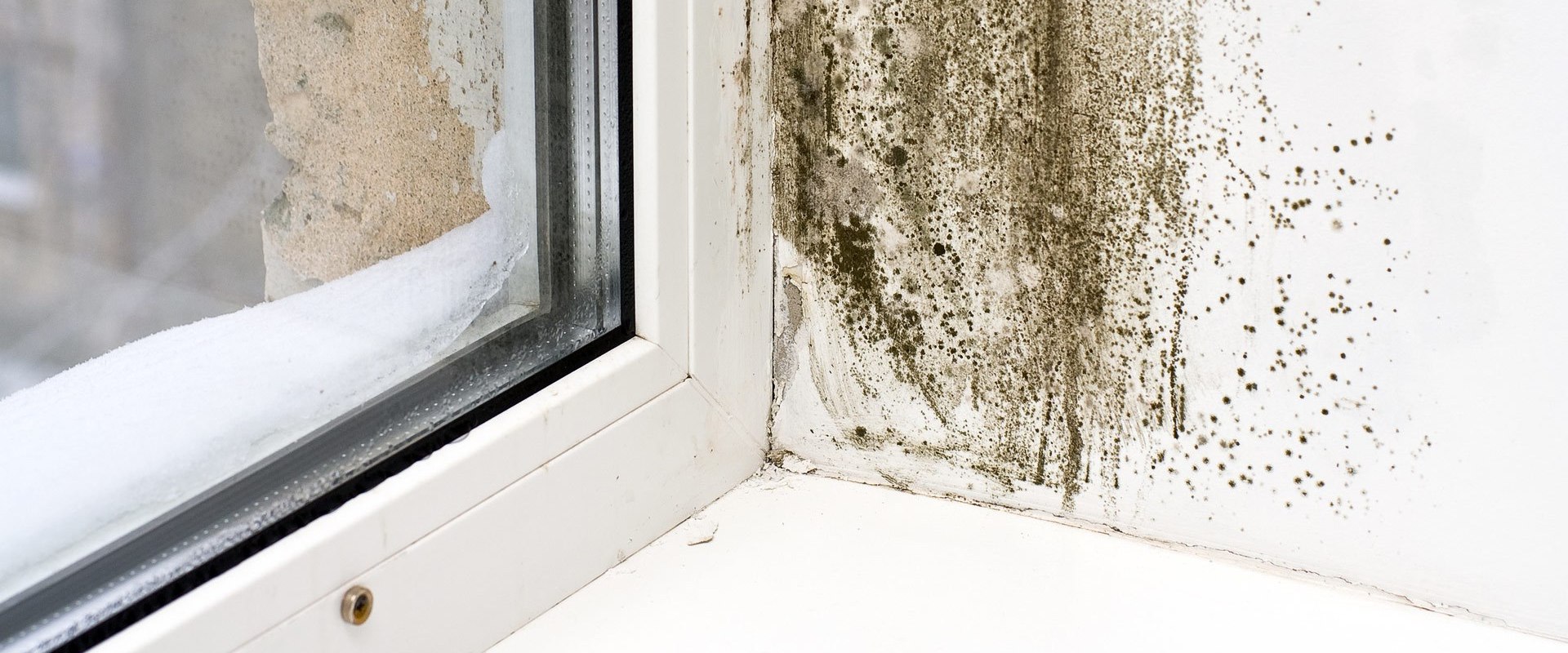
Mold and mildew are types of fungi that thrive in damp, warm environments, making them common intruders in many households. While they may seem similar, they have distinct characteristics and implications for your health. Mold typically appears as a fuzzy or slimy growth in various colors, including black, green, or white. It can penetrate surfaces like wood and drywall, leading to structural damage if left unchecked.
On the other hand, mildew is usually powdery and white or gray, often found on the surface of materials such as fabrics and paper. Understanding these differences is crucial for effective prevention and remediation.The health effects of mold and mildew can be significant, particularly for individuals with respiratory issues or weakened immune systems. Exposure to mold spores can trigger allergic reactions, asthma attacks, and other respiratory problems. Symptoms may include sneezing, coughing, nasal congestion, skin rashes, and even more severe reactions in sensitive individuals.
Mildew, while generally less harmful than mold, can still cause irritation to the eyes, skin, and respiratory tract. Prolonged exposure to either can lead to chronic health issues.Recognizing the importance of regular house cleaning is essential in combating these unwanted fungi. By maintaining a clean and dry environment, you can significantly reduce the likelihood of mold and mildew growth. Regular cleaning not only removes dust and organic matter that serve as food for these fungi but also helps control humidity levels in your home.
This proactive approach is vital for safeguarding your health and ensuring a safe living space.
The Role of Humidity in Mold Growth
Humidity plays a crucial role in the proliferation of mold and mildew within our homes. Understanding how humidity affects mold growth is essential for maintaining a healthy living environment. Mold thrives in damp conditions, and when humidity levels rise above 60%, it creates an ideal breeding ground for these unwanted fungi.When moisture accumulates in the air, it can settle on various surfaces, including walls, ceilings, and floors. This moisture provides the perfect environment for mold spores to germinate and grow.Common sources of humidity in the home include:
- Cooking and boiling water
- Showers and baths
- Drying clothes indoors
- Leaks from plumbing or roofs
- High outdoor humidity levels
- Use Dehumidifiers: These devices can significantly reduce moisture levels in the air, especially in areas prone to dampness like basements and bathrooms.
- Ventilation: Ensure proper ventilation in high-humidity areas. Installing exhaust fans in bathrooms and kitchens can help expel moist air outside.
- Avoid Indoor Drying: Whenever possible, dry clothes outdoors or use a dryer with proper ventilation to prevent excess moisture from accumulating indoors.
- Seal Leaks: Regularly inspect your home for leaks in roofs, windows, and plumbing. Promptly repairing these leaks can prevent moisture buildup.
- Monitor Humidity Levels: Use a hygrometer to keep track of indoor humidity levels.
Aim to maintain levels between 30% and 50% for optimal comfort and mold prevention.
Health Benefits of Regular House Cleaning
Maintaining a clean home is not just about aesthetics; it plays a crucial role in promoting health and well-being. Regular house cleaning significantly reduces allergens and improves indoor air quality, which are essential factors in preventing the growth of mold and mildew.Reduction of Allergens
Dust, pet dander, and pollen are common allergens that can accumulate in your home. These particles can trigger respiratory issues, allergies, and asthma attacks.
By engaging in regular cleaning routines, you can effectively minimize these allergens. Vacuuming carpets and upholstery, dusting surfaces, and washing bedding frequently can help keep these irritants at bay.
Improved Air Quality
Stagnant air filled with dust and mold spores can lead to poor indoor air quality. Regular cleaning helps to circulate air and remove contaminants. Utilizing air purifiers alongside cleaning can further enhance air quality by filtering out harmful particles.
Ensuring that your home is well-ventilated, especially in high-humidity areas like bathrooms and kitchens, is vital for preventing mold growth.
Mold Prevention
One of the most significant health benefits of regular house cleaning is its role in mold prevention. Mold thrives in damp environments, often found in neglected corners of the home. By routinely cleaning areas prone to moisture—such as bathrooms, basements, and kitchens—you can eliminate the conditions that allow mold to flourish. This includes:
- Wiping down surfaces with mold-inhibiting cleaners.
- Fixing leaks promptly to prevent water accumulation.
- Using dehumidifiers in areas with high humidity levels.
Enhanced Mental Well-Being
A clean environment contributes to mental clarity and reduces stress levels.
Cluttered spaces can lead to feelings of anxiety and overwhelm. Regular cleaning not only keeps your home healthy but also creates a more pleasant living space that promotes relaxation and peace of mind.In conclusion, the health benefits of regular house cleaning extend beyond mere cleanliness. By reducing allergens, improving air quality, preventing mold growth, and enhancing mental well-being, a consistent cleaning routine is an investment in your overall health.
Key Areas in Your Home to Focus On
When it comes to preventing mold and mildew in your home, certain areas require more attention due to their inherent moisture levels and humidity. Understanding these high-risk areas is crucial for effective cleaning and maintenance.- Bathrooms: The bathroom is often the most humid room in the house, making it a prime target for mold growth.
Regularly cleaning surfaces such as shower walls, bathtubs, and sinks is essential. Pay special attention to grout lines and caulking, as these areas can trap moisture. Using a squeegee after showers can help reduce water accumulation.
- Kitchens: Kitchens are another hotspot for mold due to cooking activities that generate steam and moisture. Ensure that you clean up spills promptly and keep countertops dry.
Regularly check under the sink for leaks and clean the refrigerator drip pan, as stagnant water can promote mold growth.
- Basements: Basements are often damp and poorly ventilated, creating an ideal environment for mold. It’s important to keep this area dry by using dehumidifiers and ensuring proper drainage around the foundation. Regularly inspect for leaks in pipes or walls and clean any visible mold immediately.
- Laundry Rooms: The laundry room can also be a breeding ground for mold due to wet clothes and high humidity levels. Make sure to dry clothes promptly and keep the area well-ventilated.
Regularly clean the washing machine, especially the rubber seals, which can harbor mold.
- Air Conditioning Units: While not a room per se, air conditioning units can contribute to mold growth if not maintained properly. Ensure that filters are changed regularly and that condensation drains are clear to prevent water buildup.
FAQs About Mold, Mildew, and Cleaning Practices
Understanding mold and mildew is crucial for maintaining a healthy home environment. Here are some frequently asked questions that can help clarify common concerns and provide effective cleaning practices.What is the difference between mold and mildew?
Mold and mildew are both types of fungi, but they differ in appearance and growth patterns.Mildew typically appears as a white or gray powdery substance and is often found on damp surfaces like bathroom tiles or shower curtains. It has a flat growth pattern and is generally easier to clean. In contrast, mold can be black, green, or even orange, and it often has a fuzzy or slimy texture. Mold can penetrate deeper into materials, making it more challenging to remove.
How can I prevent mold and mildew in my home?
- Maintain low humidity: Keep indoor humidity levels below 50% by using dehumidifiers and ensuring proper ventilation.
- Regular cleaning: Clean bathrooms, kitchens, and other damp areas frequently to remove potential mold spores.
- Fix leaks: Address any plumbing leaks or water damage immediately to prevent moisture accumulation.
- Use mold-resistant products: Consider using mold-resistant paints and materials in areas prone to dampness.
What cleaning products are effective against mold?
While there are many commercial products available, some natural alternatives can be just as effective.For instance, a mixture of vinegar and water can help eliminate mold on non-porous surfaces. Additionally, baking soda is a versatile cleaner that not only removes odors but also helps combat mold growth. For tougher cases, consider using hydrogen peroxide or tea tree oil, both of which have antifungal properties.
Is it safe to clean mold myself?
If the affected area is small (less than 10 square feet), you can usually clean it yourself using appropriate safety gear such as gloves and a mask. However, if you encounter extensive mold growth or if you have health concerns, it’s advisable to consult a professional mold remediation service.How often should I clean areas prone to mold?
Regular cleaning should be part of your routine.Focus on high-risk areas like bathrooms and kitchens at least once a week. Additionally, inspect these areas for signs of moisture or mold growth regularly to catch any issues early.By addressing these common questions about mold and mildew, you can take proactive steps to ensure a healthier living environment through effective cleaning practices.
Conclusion: The Importance of Regular House Cleaning for a Healthy Home
In conclusion, maintaining a clean home is not merely a matter of aesthetics; it plays a crucial role in promoting a healthy living environment. Regular house cleaning significantly reduces the presence of mold and mildew, which are notorious for causing various health issues. By implementing consistent cleaning routines, homeowners can effectively manage moisture levels and eliminate the conditions that foster mold growth.One of the primary benefits of regular cleaning is the reduction of dust and organic materials that serve as food for mold spores.Areas such as bathrooms, kitchens, and basements are particularly vulnerable due to their inherent humidity. By routinely cleaning these spaces, you can minimize the accumulation of dirt and moisture, thereby creating an inhospitable environment for mold.Moreover, addressing leaks and ensuring proper ventilation are essential steps in your cleaning regimen. For instance, using exhaust fans in bathrooms and kitchens can help expel humid air, while promptly fixing any plumbing issues prevents water from pooling in hidden areas. These proactive measures not only enhance the cleanliness of your home but also safeguard your health by reducing exposure to harmful mold spores.Additionally, utilizing natural cleaning products can be beneficial.
Many commercial cleaners contain harsh chemicals that may exacerbate respiratory issues or allergies. Opting for eco-friendly alternatives can help maintain indoor air quality while effectively combating mold and mildew.Ultimately, the health benefits of regular house cleaning extend beyond mere aesthetics. A clean home fosters a healthier lifestyle by reducing allergens and irritants associated with mold growth. By prioritizing cleanliness and moisture control, you are investing in your well-being and creating a safe haven for you and your family.