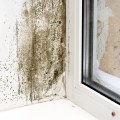
Maintaining a clean home is often associated with aesthetic appeal and a sense of well-being, but its impact on eye health is frequently overlooked. Regular house cleaning not only enhances the visual environment but also plays a crucial role in promoting better indoor air quality, which can significantly affect our eyes. Dust, allergens, and various pollutants can accumulate in our living spaces, leading to irritation and discomfort for our eyes. By understanding the connection between house cleaning and eye health, we can appreciate the broader implications of a tidy home.When we engage in regular cleaning routines, we reduce the presence of irritants such as dust mites, pet dander, and mold spores that can trigger allergic reactions or exacerbate existing eye conditions.
For individuals who suffer from chronic issues like dry eyes or allergies, a clean environment can provide much-needed relief. Furthermore, the use of harsh cleaning chemicals can introduce new risks; therefore, opting for safer cleaning products can help mitigate potential harm to our eyes while still achieving a hygienic living space.The benefits of maintaining a clean home extend beyond mere aesthetics. A well-kept environment contributes to overall health and wellness, including eye health. By ensuring that our homes are free from harmful substances and irritants, we create a sanctuary that supports not only our vision but also our general well-being.
As we delve deeper into the specific advantages of regular house cleaning, it becomes clear that this practice is essential for fostering a healthier lifestyle.
The Importance of Indoor Air Quality
Indoor air quality plays a crucial role in maintaining not only overall health but also the health of your eyes. Poor air quality can lead to a range of health issues, including eye irritation, which can manifest as redness, dryness, or a burning sensation. Understanding the common pollutants found in homes is essential for creating a healthier living environment.One of the primary culprits affecting indoor air quality is volatile organic compounds (VOCs). These are organic chemicals that can easily evaporate at room temperature and are commonly found in household products such as paints, cleaning agents, and air fresheners.When these substances are released into the air, they can contribute to poor indoor air quality and may lead to various health problems, including eye irritation.Exposure to VOCs can cause symptoms ranging from mild discomfort to more severe reactions. For instance, individuals may experience:
- Redness in the eyes
- Itching or a burning sensation
- Increased sensitivity to light
- Dryness or excessive tearing
- Ventilation: Ensure proper airflow by opening windows and using exhaust fans when cleaning or cooking.
- Use natural cleaning products: Opt for eco-friendly cleaning solutions that are free from harsh chemicals and VOCs.
- Regular dusting and vacuuming: Keep surfaces clean to minimize dust accumulation and allergens.
- Air purifiers: Invest in high-quality air purifiers equipped with HEPA filters to trap airborne particles.
A clean home not only looks appealing but also contributes to a healthier environment for your eyes and overall well-being.
Reducing Allergens Through Regular Cleaning
Maintaining a clean home is essential for promoting overall health, particularly for individuals who suffer from eye allergies. Regular cleaning can significantly reduce the presence of allergens such as dust mites , pet dander , and other irritants that can trigger uncomfortable symptoms.Dust mites
are microscopic creatures that thrive in household dust, bedding, and upholstery. They feed on dead skin cells and can be a major source of allergens. When disturbed, dust mites release their waste products into the air, which can lead to allergic reactions, including itchy and watery eyes.
To combat this, it is crucial to:
- Wash bedding regularly: Use hot water to wash sheets, pillowcases, and blankets at least once a week to eliminate dust mites.
- Vacuum frequently: Utilize a vacuum cleaner equipped with a HEPA filter to effectively trap dust mites and other allergens.
- Use allergen-proof covers: Encase pillows and mattresses in allergen-proof covers to create a barrier against dust mites.
Pet dander
, another common allergen, consists of tiny flakes of skin shed by cats, dogs, and other furry pets. These particles can linger in the air and settle on surfaces, exacerbating eye allergies. To minimize pet dander in your home:
- Groom pets regularly: Brush your pets outside to reduce the amount of dander that accumulates indoors.
- Create pet-free zones: Designate certain areas of your home, such as bedrooms, as pet-free zones to limit exposure.
- Clean floors and surfaces: Use damp cloths or mops to wipe down surfaces and prevent dander from becoming airborne.
Regular cleaning routines are an effective strategy for creating a healthier living space that supports eye health.
Preventing Eye Irritation from Cleaning Products
Using cleaning products is essential for maintaining a hygienic home, but many of these products can pose risks to your eye health. Harsh chemicals found in common household cleaners can lead to eye irritation , which may manifest as redness, itching, or a burning sensation. Understanding how to minimize these risks is crucial for protecting your vision while keeping your living space clean.Identifying Irritating Ingredients
- Ammonia: Often found in glass cleaners, ammonia can cause significant irritation if it comes into contact with the eyes.
- Bleach: A powerful disinfectant, bleach can lead to severe eye damage if splashed or inhaled.
- Fragrances: Many cleaning products contain synthetic fragrances that can trigger allergic reactions or irritate sensitive eyes.
- Volatile Organic Compounds (VOCs): These chemicals can evaporate into the air and contribute to indoor air pollution, leading to eye discomfort.
Choosing Safer Alternatives
To reduce the risk of eye irritation, consider opting for safer cleaning methods. Here are some alternatives:
- Natural Cleaners: Vinegar and baking soda are effective at cleaning and disinfecting without the harsh chemicals found in traditional cleaners.
- Eco-Friendly Products: Look for brands that offer non-toxic, biodegradable cleaning solutions specifically designed to be gentle on both surfaces and eyes.
- Dilution: If you must use a chemical cleaner, dilute it according to the manufacturer's instructions to lessen its potency.
Proper Ventilation is Key
When using any cleaning product, ensure that your home is well-ventilated.
This helps to disperse harmful fumes and reduces the concentration of irritants in the air. Here are some tips for effective ventilation:
- Open Windows: Allow fresh air to circulate by opening windows and doors while you clean.
- Use Fans: Position fans strategically to help move air out of the room and bring in fresh air from outside.
- Avoid Cleaning in Enclosed Spaces: If possible, clean larger areas where airflow is better rather than small, confined spaces.
The Role of Regular Cleaning in Preventing Eye Infections
Maintaining a clean living environment is crucial for overall health, and one of the often-overlooked benefits is its role in preventing eye infections. Eye infections can be caused by various pathogens, including bacteria and viruses , which thrive in unclean conditions.Regular house cleaning helps to minimize the presence of these harmful microorganisms, thereby reducing the risk of infections that can affect your vision.When surfaces are not regularly cleaned, dust, dirt, and other contaminants can accumulate, creating a breeding ground for bacteria. For instance, common household items such as doorknobs, light switches, and remote controls are frequently touched but often neglected during cleaning routines. These surfaces can harbor pathogens that may easily transfer to your hands and subsequently to your eyes.To effectively combat the spread of bacteria and viruses, consider implementing the following hygiene practices:
- Regular Disinfection: Use disinfectant wipes or sprays on high-touch surfaces at least once a week. Pay special attention to areas like bathrooms and kitchens where germs are more likely to proliferate.
- Hand Hygiene: Wash your hands thoroughly with soap and water before touching your face or eyes.
This simple practice can significantly reduce the risk of transferring pathogens.
- Avoid Sharing Personal Items: Items such as towels, makeup brushes, and eye drops should not be shared, as they can easily transmit infections.
- Maintain Clean Linens: Regularly wash pillowcases and towels in hot water to eliminate any bacteria or viruses that may linger.
Enhancing Overall Well-Being Through a Clean Home
Maintaining a clean home is not just about aesthetics; it plays a crucial role in enhancing overall well-being.A tidy environment can significantly impact mental health, leading to reduced stress levels and improved productivity. When your living space is organized and free from clutter, it creates a sense of calm and order that can positively influence your mood.A tidy environment can significantly impact mental health, leading to reduced stress levels and improved productivity. When your living space is organized and free from clutter, it creates a sense of calm and order that can positively influence your mood.
Stress Reduction
Cluttered spaces can be overwhelming and distracting, often leading to increased anxiety. Studies have shown that individuals who live in clean and organized environments report lower levels of stress. This reduction in stress is essential not only for mental health but also for physical health, including eye health.
High stress levels can lead to various health issues, including eye strain and fatigue, which can exacerbate existing vision problems.
Improved Focus and Productivity
A clean home fosters an environment conducive to focus and productivity. When your surroundings are organized, it becomes easier to concentrate on tasks without the distraction of clutter. This heightened focus can lead to better performance in both personal and professional endeavors. Moreover, when you are productive, you experience a sense of accomplishment that further boosts your mental well-being.
Connection to Eye Health
While the direct link between a clean home and eye health may not be immediately apparent, the benefits of reduced stress and improved focus contribute indirectly to maintaining good vision.
Stress can lead to habits such as squinting or prolonged screen time, which can strain the eyes. By creating a serene environment through regular cleaning, you can mitigate these stressors and promote healthier habits.
Creating a Positive Atmosphere
A clean home also contributes to a positive atmosphere that encourages relaxation and well-being. Incorporating elements such as natural light, plants, and fresh air can enhance this effect. These factors not only improve mood but also reduce eye strain caused by poor lighting conditions or stale air.In conclusion, the health benefits of regular house cleaning extend beyond mere cleanliness.
By fostering a clean environment, you enhance your mental health, reduce stress levels, and improve productivity—all of which contribute to better eye health in the long run.
Practical Tips for Effective House Cleaning to Protect Eye Health
Maintaining a clean home is essential for overall health, but it’s equally important to ensure that your cleaning practices do not compromise your eye health. Here are some practical tips to help you clean effectively while minimizing risks to your eyes.- Wear Protective Eyewear: Always consider wearing safety goggles or glasses when using cleaning products, especially those that contain harsh chemicals. This simple step can protect your eyes from splashes and irritants.
- Choose Safer Cleaning Products: Opt for non-toxic, environmentally friendly cleaning solutions whenever possible. Many commercial cleaners contain volatile organic compounds (VOCs) that can irritate the eyes and respiratory system.
Look for products labeled as "low-VOC" or "non-toxic."
- Ensure Proper Ventilation: When cleaning, make sure the area is well-ventilated. Open windows and doors to allow fresh air to circulate, which helps dissipate any harmful fumes from cleaning agents. Using fans can also aid in improving air flow.
- Use Dilution Techniques: If you must use stronger cleaning agents, consider diluting them with water. This can reduce their potency and minimize the risk of eye irritation while still providing effective cleaning power.
- Avoid Mixing Chemicals: Never mix different cleaning products, especially those containing bleach and ammonia.
This can create toxic fumes that are harmful to your eyes and overall health.
- Keep Cleaning Supplies Out of Reach: Store all cleaning products in a secure location, away from children and pets. This not only prevents accidental exposure but also ensures that you are using them safely.
- Take Breaks: If you’re engaged in extensive cleaning tasks, take regular breaks to rest your eyes. Prolonged exposure to dust and cleaning agents can lead to irritation or discomfort.
- Practice Good Hygiene: After cleaning, wash your hands thoroughly before touching your face or eyes. This helps prevent transferring any irritants or chemicals that may have come into contact with your skin.
Remember that taking precautions during house cleaning not only protects your vision but also contributes to a healthier living environment overall.
FAQs About Eye Health and House Cleaning
Maintaining a clean home is essential for overall health, but it’s equally important to consider how cleaning practices can impact eye health. Here are some frequently asked questions that address common concerns and misconceptions about eye safety while cleaning.What are the common eye irritants found in cleaning products?
Many household cleaning products contain chemicals that can irritate the eyes. Common irritants include:- Ammonia: Often found in glass cleaners, ammonia can cause burning sensations and redness.
- Bleach: This powerful disinfectant can lead to severe irritation and even chemical burns if it comes into contact with the eyes.
- Fragrances: Many cleaning products contain synthetic fragrances that can trigger allergic reactions or sensitivities, leading to watery or itchy eyes.
- VOCs (Volatile Organic Compounds): These compounds can evaporate into the air and may cause eye irritation along with other respiratory issues.
Are there myths about cleaning products and eye health?
Yes, several myths persist regarding the safety of cleaning products and their effects on eye health:- Myth 1: All natural cleaning products are safe for your eyes. While natural products may be less harsh, they can still cause irritation.
Always check labels.
- Myth 2: You don’t need to wear protective eyewear when cleaning. This is false; wearing safety goggles can prevent accidental splashes and exposure to harmful chemicals.
- Myth 3: Eye irritation from cleaning products is not serious. Irritation can lead to long-term damage if not addressed promptly, so it’s crucial to take symptoms seriously.
What are the best practices for eye safety while cleaning?
To protect your eyes during house cleaning, consider these best practices:- Wear protective eyewear: Use safety goggles or glasses to shield your eyes from splashes and airborne particles.
- Ensure proper ventilation: Open windows and use fans to reduce the concentration of harmful fumes in the air.
- Avoid mixing chemicals: Combining different cleaning agents can create toxic fumes that are harmful to your eyes and overall health.
- Keep cleaning products out of reach: Store all chemicals safely away from children and pets to prevent accidental exposure.
- If irritation occurs, rinse immediately: If you experience any discomfort, flush your eyes with clean water for at least 15 minutes and seek medical attention if necessary.
Conclusion: The Holistic Benefits of Regular House Cleaning for Eye Health
In conclusion, the health benefits of regular house cleaning extend far beyond a tidy living space; they play a crucial role in maintaining and enhancing eye health.Throughout this article, we have explored various aspects of how a clean environment can positively impact our vision and overall well-being.One of the most significant points discussed is the reduction of allergens and irritants that can lead to eye discomfort. Dust, pet dander, and mold are common household pollutants that can exacerbate conditions like allergies and dry eyes. By implementing a consistent cleaning routine, you can minimize these irritants, creating a healthier atmosphere for your eyes.Moreover, the use of safe cleaning products is essential. Many conventional cleaning agents contain harsh chemicals that can cause eye irritation or even long-term damage.
Opting for natural or less toxic alternatives not only protects your eyes but also contributes to a healthier indoor air quality. Ensuring proper ventilation while cleaning further mitigates the risk of exposure to harmful substances.Additionally, regular cleaning habits can help prevent accidents that may lead to eye injuries. Keeping surfaces clutter-free reduces the likelihood of tripping or knocking over objects, which can pose risks to your vision. Furthermore, maintaining a clean environment encourages better hygiene practices, which are vital for eye health.Ultimately, adopting a holistic approach to house cleaning not only enhances the aesthetic appeal of your home but also fosters a healthier lifestyle.
By prioritizing cleanliness, you are investing in your eye health and overall well-being. As you develop these habits, remember that small changes can lead to significant improvements in your quality of life.In summary, the connection between regular house cleaning and improved eye health is clear. By embracing effective cleaning practices and being mindful of the products you use, you can create a safer and more comfortable living space that supports your vision for years to come.